

S.BOLD-ERDENE
Mongolia’s mining sector has been making headlines in recent weeks. On one hand, draft laws that could introduce the most significant legal and policy reforms in more than a decade are being developed and have already begun to be discussed in Parliament. On the other hand, a series of major decisions affecting mining businesses have been announced. Most of these decisions concern state-owned enterprises.
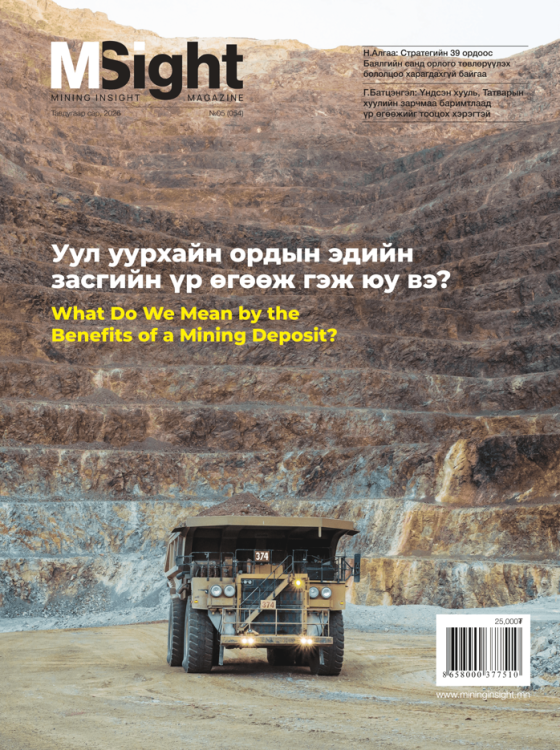
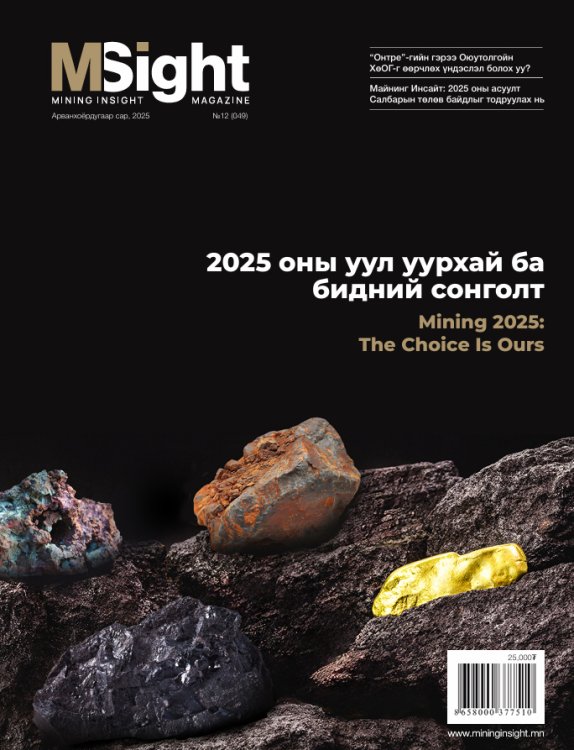
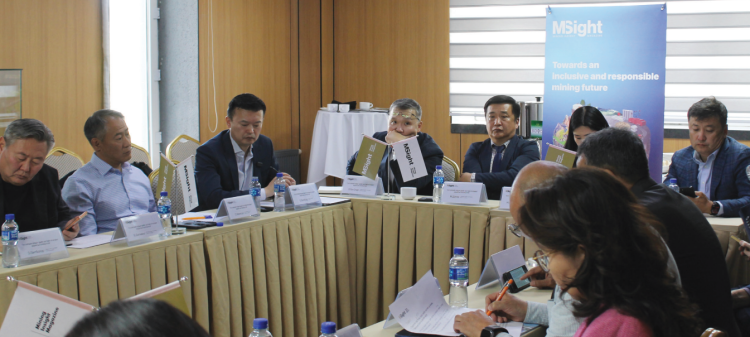
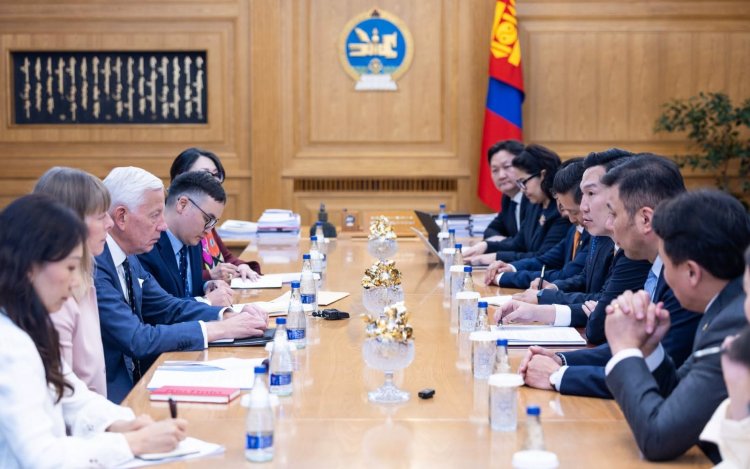
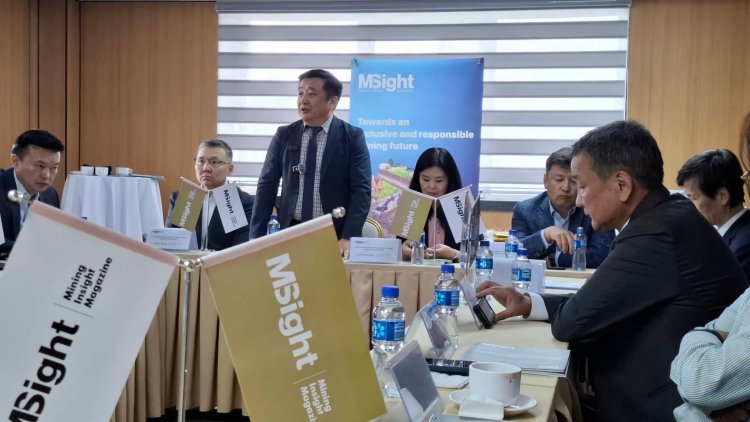
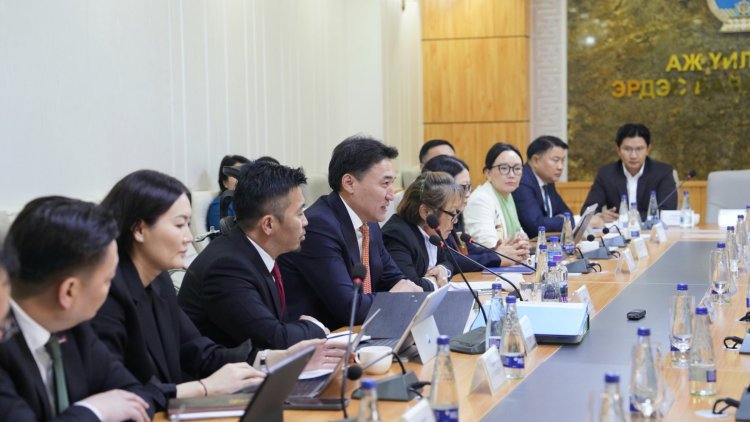
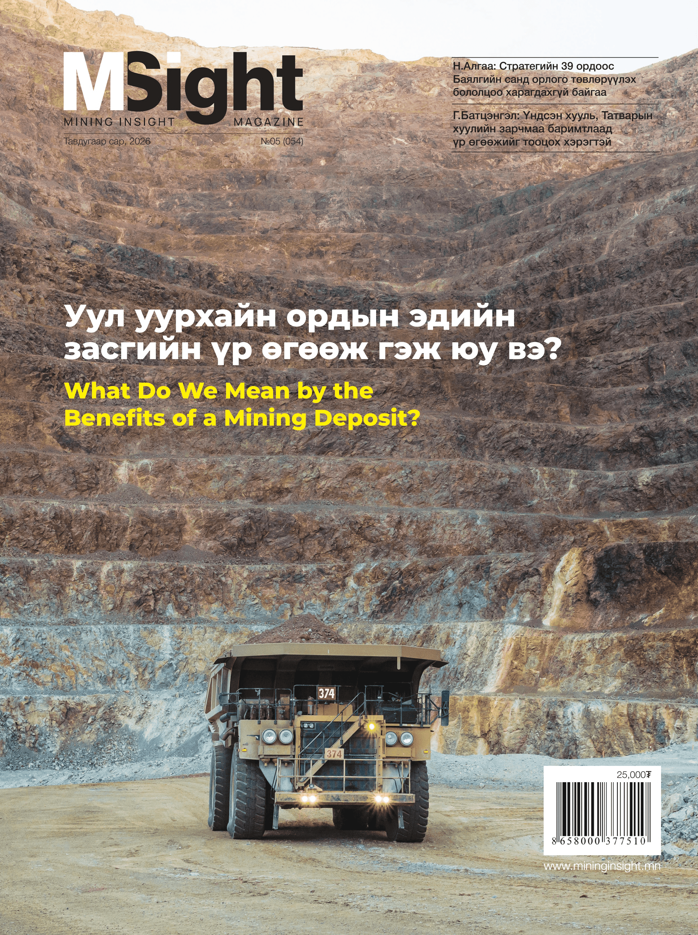 The proposed policy changes primarily relate to amendments to the Minerals Law and the draft Law on Ensuring that the Majority of Benefits from Strategic Mineral Deposits Accrue to the People. If adopted and implemented, these two legislative initiatives could significantly reshape Mongolia’s mining policy framework. During a meeting with companies holding licenses for strategic deposits on 11 May, Prime Minister N. Uchral announced that the Government would prepare a standalone law to determine state ownership shares in strategic deposits and ensure that 60 percent of the benefits are distributed to the public, and would submit it to Parliament for urgent consideration. His statement created considerable discussion within the mining sector. Questions such as what constitutes “benefits” and how they should be calculated continue to generate debate. While the concept may seem familiar to everyone, its legal and economic meaning has not yet been clearly defined. If codified into law, it could bring about one of the most significant policy changes in Mongolia’s mining sector. For this reason, Mining Insight, an independent magazine with a professional editorial team specializing in mining issues, together with its Advisory Council, organized a policy discussion under the theme “What Do We Mean by the Benefits of a Mining Deposit?”.
Economists, researchers, and chief executive officers of major mining companies who have studied the benefits generated by the mining sector were invited to participate. The objective of the discussion was to explore how stakeholders understand and interpret the concept of mining benefits. Although opinions differed on certain issues, sometimes significantly, all participants agreed that the concept of mining benefits should be clearly defined and incorporated into the legal framework. In this issue, we present their views, interpretations, and conclusions in detail. Mining Insight has also submitted policy recommendations to the Cabinet Secretariat, encouraging policymakers to take into consideration the diverse perspectives and professional opinions expressed during the discussion. At the same time, the Government has submitted a draft amendment to the Minerals Law to Parliament. If adopted, it would introduce reforms that have not been achieved in more than a decade and address a number of accumulated issues in the sector. These include expanding opportunities for exploration licensing, strengthening regulations related to local relations, mine closure and rehabilitation, and introducing a new framework for critical minerals. The proposal also includes reducing royalty rates to facilitate the development of copper projects. Several governments and ministers responsible for the mining sector have attempted to amend the Minerals Law in the past, but without success. As a result, Mongolia has continued to send a message to the international community that its mining policy environment is unstable and uncertain. This time, however, Minister G. Damdinnyam has succeeded in submitting the draft law to Parliament. Whether the proposal can overcome political challenges and ultimately be adopted remains uncertain.
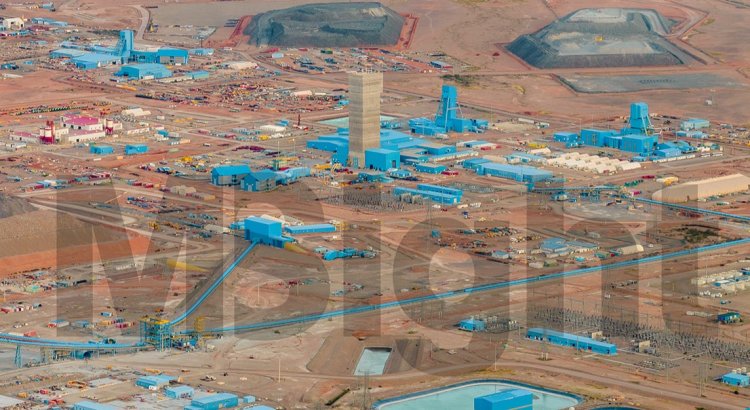
Nevertheless, expectations among industry stakeholders are high that the amendments will help resolve some of the long-standing bottlenecks facing Mongolia’s mining sector. Alongside these legal and policy developments, there has also been positive news regarding several companies operating strategic deposits. First, negotiations among the shareholders of Oyu Tolgoi have successfully completed their initial phase. Rio Tinto has agreed to reduce by half the 3–6 percent management fee it previously received under the Oyu Tolgoi agreements. This is expected to increase annual benefits by approximately USD 70 million. Negotiations are now continuing regarding the reduction of interest rates on shareholder loans provided to Oyu Tolgoi. In addition, the Government has concluded the open selection process for investment in the Borteeg deposit, one of the deposits within the broader Tavan Tolgoi coalfield owned by Erdenes Tavan Tolgoi. Although major Chinese coking coal producers, steel manufacturers, and raw materials companies participated in the bidding process, none were selected.
As a result, Erdenes Tavan Tolgoi will proceed with the development of the Borteeg deposit independently. The Government’s decision to reject investors offering advance payments ranging from USD 500 million to USD 1 billion came as a surprise. While the official explanation was that the proposals did not meet the required criteria, many observers interpret the decision as an effort to protect coal exports from Tavan Tolgoi and, more broadly, Mongolia’s coal export interests.