

 - A Strategic Partner for Europe’s Critical Raw Materials Agenda –
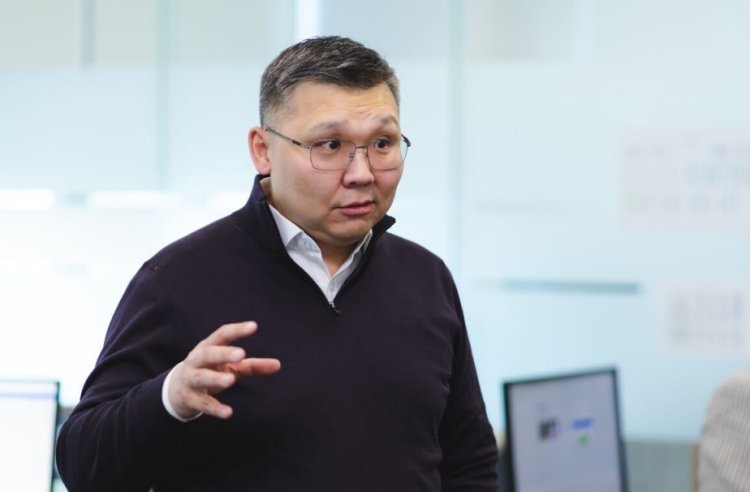
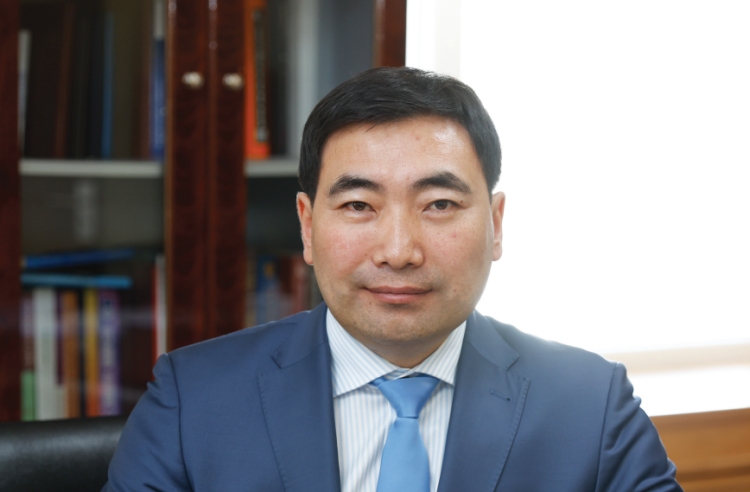
 PROF. DR.-ING. THOMAS HOLLENBERG
DHC - Dr. Hollenberg Consulting GmbH, Oberhausen, Germany Vice President of DMUV (German-Mongolian Business Association), Ulaanbaatar, Mongolia Member of the University Council of GMIT (German-Mongolian Institute for Resources and Technology), Ulaanbaatar, Mongolia
ABSTRACT
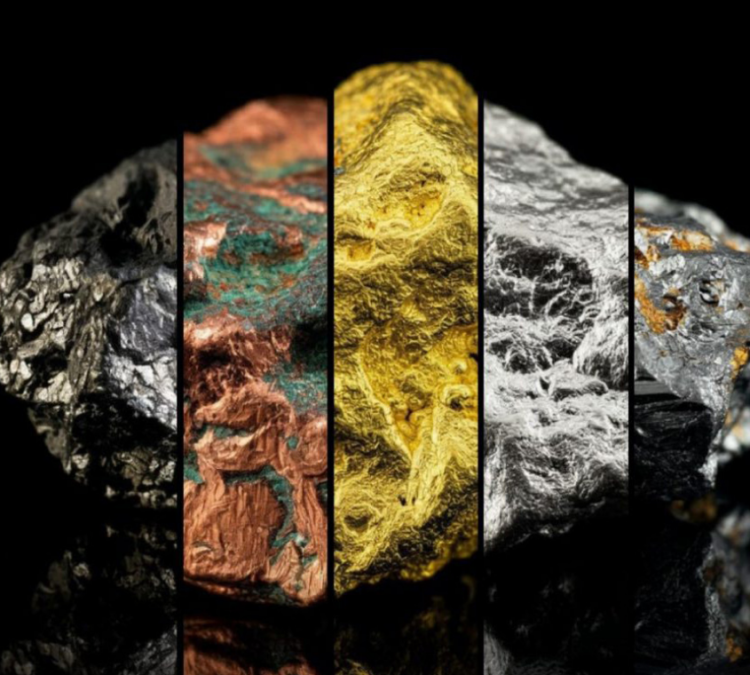
Mongolia is emerging as a strategically relevant supplier of mineral resources in an increasingly fragmented global economy. Its abundant deposits of copper, coal, gold, and critical raw materials position the country as a potential partner of growing importance for Europe under the Critical Raw Materials Act (CRMA). However, structural constraints ranging from logistics to governance dynamics require a differentiated and long-term engagement strategy. This article provides a practitioner-based assessment of Mongolia’s mining sector, combining operational insights with a policy oriented perspective on EU–Mongolia cooperation.
FROM FRONTIER MARKET TO STRATEGIC PARTNER
For decades, Mongolia has been perceived primarily through the lens of geography and culture. Vast steppes landscapes, nomadic traditions, and low population density. While these characteristics remain defining features, they no longer capture the country’s economic trajectory. Mongolia has evolved into a resource-driven economy of global relevance. Its mineral wealth, combined with its geopolitical position between Russia and China, increasingly places the country at the intersection of competing supply chains and strategic interests. For Europe, in particular, Mongolia represents a potential partner in the diversification of critical raw material supply; an objective now formalized under the EU Critical Raw Materials Act (CRMA). Yet, Mongolia is not a straightforward investment destination. The country combines high geological attractiveness with operational complexity. Understanding this duality is essential for designing viable engagement strategies.
GEOGRAPHY, SCALE, AND CONSTRAINT
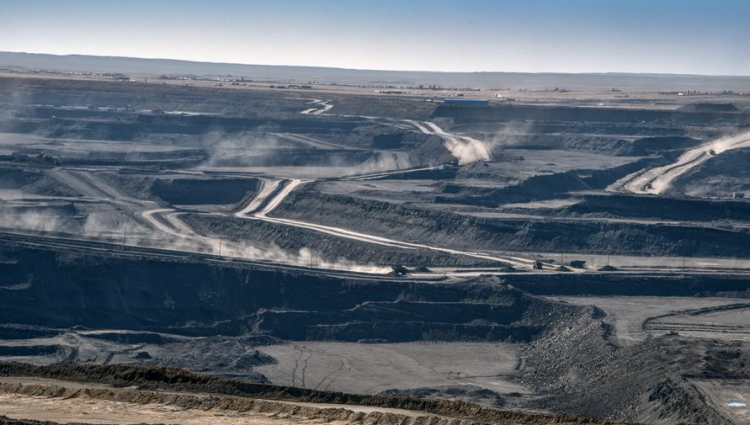
Mongolia’s structural characteristics define both its potential and its limitations. With a landmass approximately three times the size of Germany and a population of just 3.5 million, the country operates under extreme spatial conditions. Distances between mining sites, processing facilities, and export corridors routinely extend over several hundred kilometers. In many cases, infrastructure remains underdeveloped, particularly outside key mining regions. At the same time, the abundance of land and relatively low population pressure enable large-scale mining operations that would be difficult to realize in more densely populated jurisdictions. These conditions create a paradox: Mongolia offers exceptional resource potential, but accessing and monetizing these resources requires overcoming structural inefficiencies at scale.
ECONOMIC STRUCTURE AND RESOURCE BASE
The Mongolian economy is fundamentally shaped by the mining sector, which dominates exports, fiscal revenues, and investment flows. The following table summarizes key macroeconomic indicators relevant to the sector:
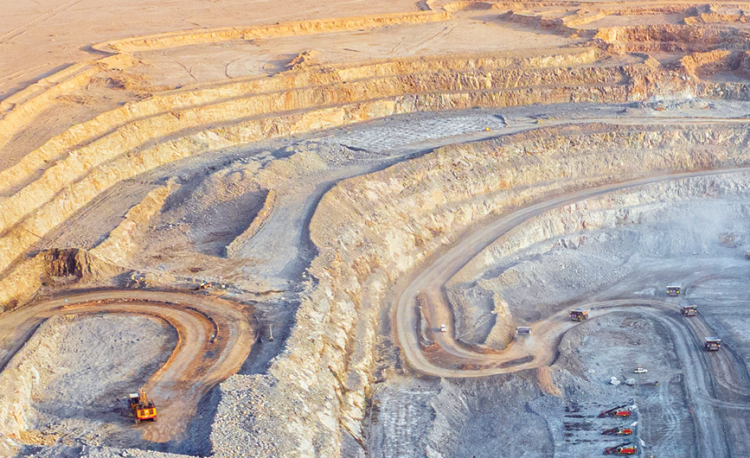
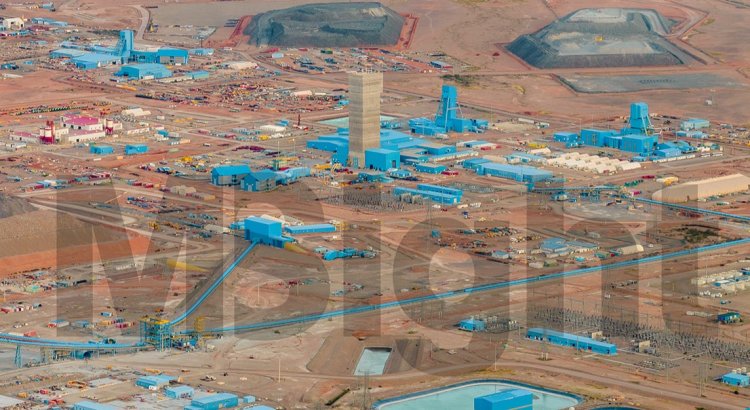
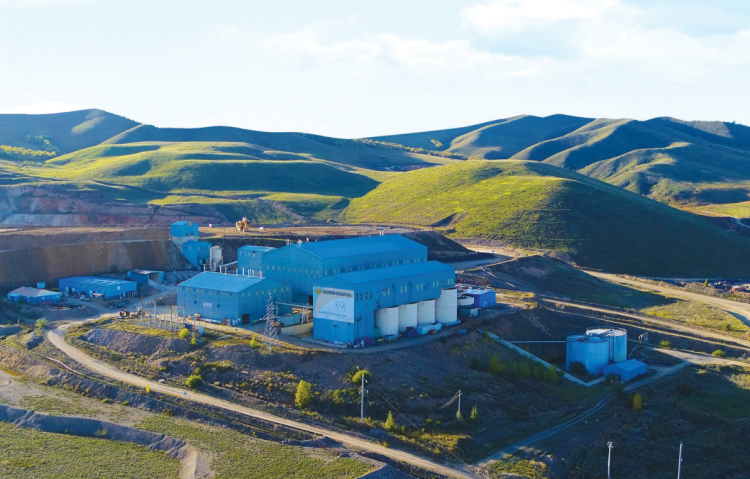
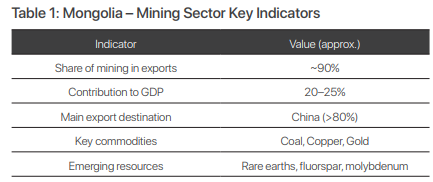 Major projects such as Oyu Tolgoi (copper-gold) and Tavan Tolgoi (coal) have defined Mongolia’s mining landscape over the past decade. These projects demonstrate both the scale of opportunity and the complexity of execution in the Mongolian context. From a European perspective, the increasing relevance of critical raw materials including copper, rare earth elements, and battery-related minerals places Mongolia firmly on the strategic map.
MONGOLIA IN THE CONTEXT OF THE EU CRITICAL RAW MATERIALS ACT
The EU Critical Raw Materials Act (CRMA) aims to reduce Europe’s dependency on concentrated supply chains, particularly those dominated by a small number of countries. The regulation sets clear targets for diversification, domestic processing, and strategic partnerships. Within this framework, Mongolia offers several advantages: First, the country possesses significant untapped geological potential across multiple CRMA-relevant materials. While exploration remains incomplete, existing data suggests substantial upside. Second, Mongolia has demonstrated a consistent openness to international investment, including Western partners. This distinguishes it from more restrictive jurisdictions. Third, Mongolia’s political positioning, often described as a “third neighbor policy” actively seeks to balance its economic dependence on China and Russia through broader international cooperation. This creates a window of opportunity for the European Union. However, translating geological potential into secure supply requires more than investment in extraction. It necessitates a holistic value-chain approach, including processing, logistics, and governance frameworks aligned with ESG standards.
OPERATIONAL REALITIES
From an operational standpoint, Mongolia presents a distinctive environment shaped by geography and institutional evolution.
Logistics and Transport
Transport remains one of the most critical cost drivers. The majority of exports are directed southward into China, often via limited rail and road corridors.
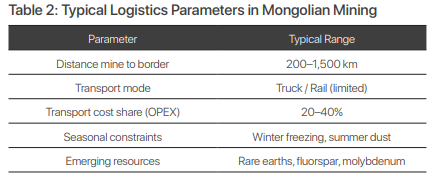 Seasonal effects further complicate operations. Extreme winter temperatures can disrupt material handling, while summer conditions affect road quality and dust management.
Infrastructure Development
While significant progress has been made, particularly in rail expansion, bottlenecks persist. Infrastructure development is therefore not merely supportive but often decisive for project viability.
INSTITUTIONAL AND HUMAN FACTORS
Beyond physical infrastructure, Mongolia’s business environment is shaped by institutional and cultural dynamics. Administrative processes can be time-consuming, and regulatory frameworks may evolve during project lifecycles. This requires a high degree of adaptability from investors. At the same time, Mongolia offers a young and increasingly well-educated workforce. However, shortages remain in highly specialized technical and managerial roles, particularly in complex mining operations and downstream processing. Equally important is the role of trust-based relationships. Business interactions in Mongolia are often less transactional and more relationship-driven than in Western contexts. Long-term engagement and consistent presence are therefore critical success factors.
FROM EXTRACTION TO VALUE CHAINS: A STRATEGIC IMPERATIVE
For Europe, the key question is not simply how to access Mongolian resources, but how to integrate them into resilient and sustainable value chains. This implies a shift from a purely extractive model toward:
• Local or regional processing capacities
• Joint ventures with Mongolian partners
• Technology transfer and skills development
• ESG-compliant project structures
Such an approach aligns with both Mongolian development priorities and EU policy objectives under the CRMA.
STRATEGIC SUCCESS FACTORS
Experience from existing projects suggests that successful engagement in Mongolia is less about optimizing individual parameters and more about aligning multiple dimensions over time. Projects that succeed typically share a long-term orientation, recognizing that initial inefficiencies may be offset by structural improvements and relationship building. They are also characterized by strong local integration, not only through partnerships but through active contribution to workforce development and community engagement. Finally, they demonstrate operational flexibility, adapting to evolving regulatory, logistical, and market conditions without losing strategic direction.
OUTLOOK: MONGOLIA’S ROLE IN A FRAGMENTED RESOURCE WORLD
Global demand for critical raw materials is expected to increase significantly over the coming decades, driven by decarbonization, electrification, and digitalization. At the same time, geopolitical fragmentation is reshaping supply chains. In this environment, countries like Mongolia - resource-rich, politically open, but structurally complex - will play an increasingly important role. For Europe, engagement with Mongolia offers a tangible opportunity to advance the objectives of the CRMA. However, success will depend on the ability to move beyond short-term procurement strategies toward long-term, partnership-based investment models.
CONCLUSION
Mongolia stands at a critical juncture. Its resource endowment positions it as a potentially key supplier in the global mining landscape, while its structural characteristics demand sophisticated and patient engagement. For European stakeholders, the country offers both an opportunity and a test case: whether diversification of critical raw material supply can be achieved through genuinely collaborative and sustainable partnerships. Those who approach Mongolia with a long-term perspective, institutional sensitivity, and strategic clarity are likely to find not only challenges, but also substantial and enduring opportunities.
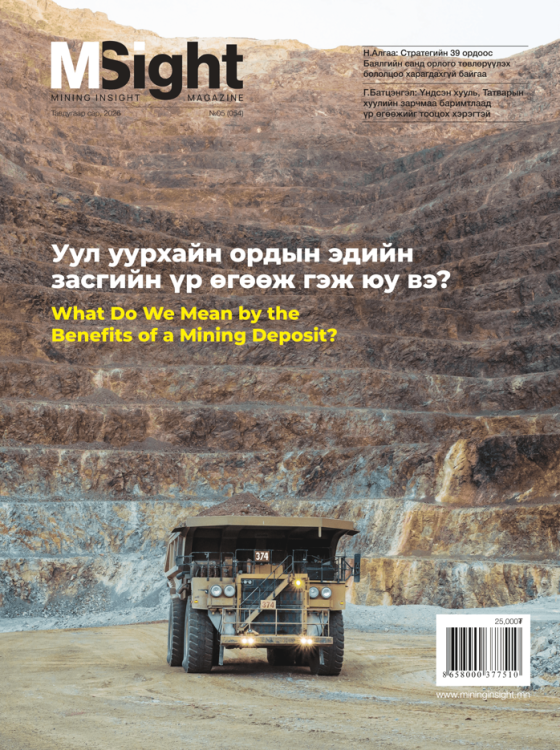
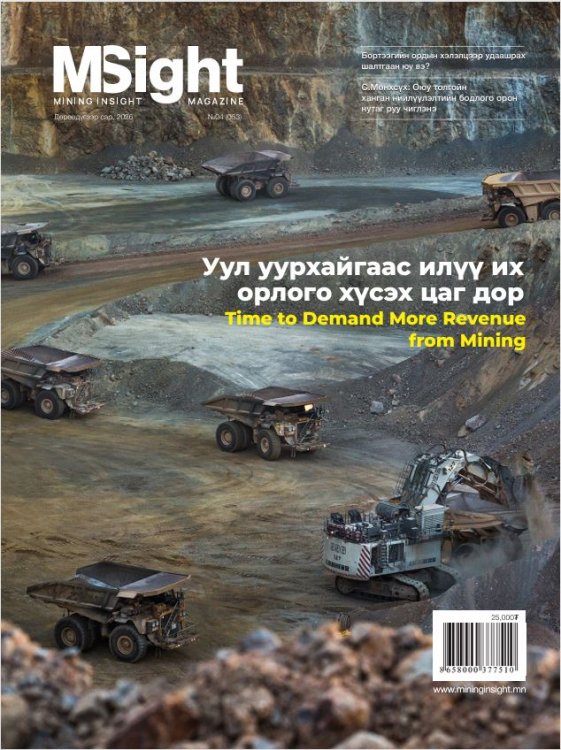
Mining Insight Magazine, April 2026 №04 (053)