

S.BOLD-ERDENE
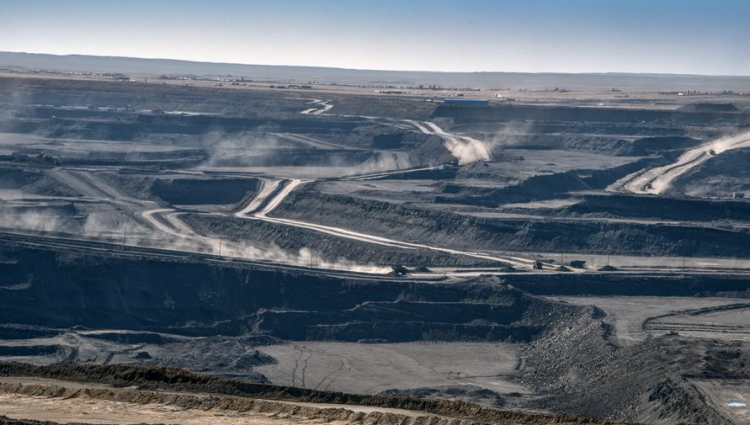
S&P Global, one of the world’s leading research organizations, recently presented an interesting study on the copper market. According to the report, the development of artificial intelligence will drive the production of humanoid robots to exceed one billion units by 2040, and manufacturing these robots could require around 1.6 million tonnes of copper annually. This is considered one of the key factors that will increase copper demand. Global copper demand stood at 28 million tonnes last year and is projected to reach 42 million tonnes by 2040. The main drivers of this growth are expected to be the energy transition and the increasing demand from artificial intelligence and data centers. Based on currently known reserves and the capacity of existing mines, a shortage of around 10 million tonnes of copper could emerge within the next 14 years. To address such a shortage, opening new copper mines and providing strong policy support for the sector will be essential.
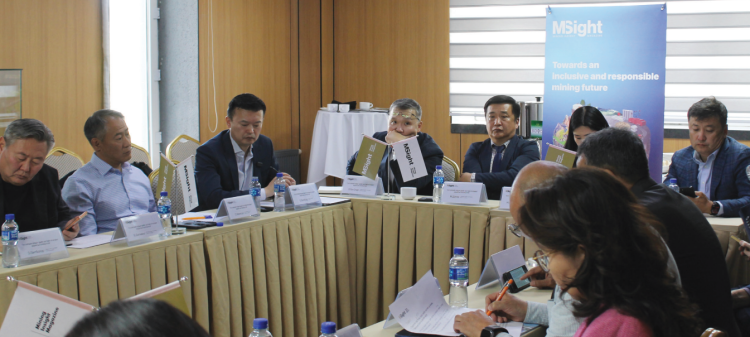
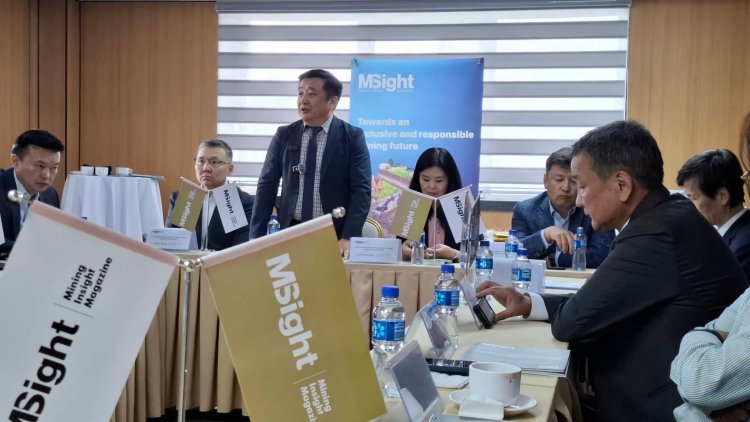
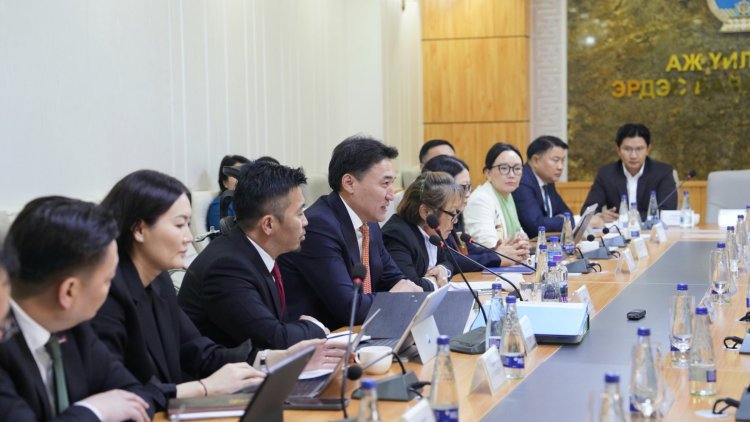
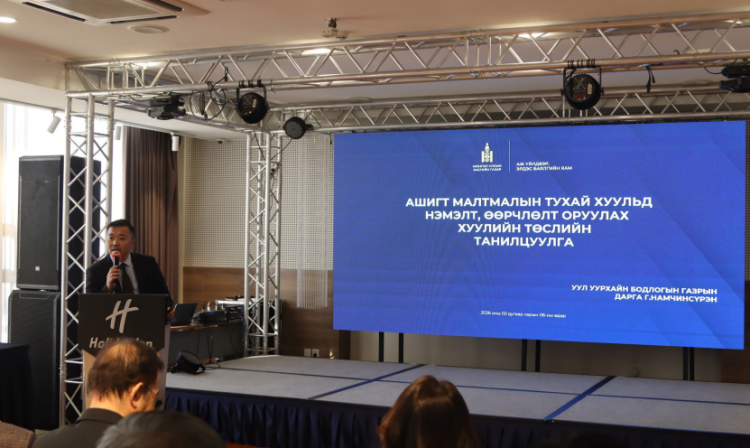
 At a time when the development of artificial intelligence and the energy transition are driving global economic growth and demanding large quantities of minerals, Mongolia is actively working to amend its Minerals Law. The Ministry of Industry and Mineral Resources has prepared draft amendments to the law, which has been discussed for more than a decade, and organized public consultations. Discussions were held with industry stakeholders, companies and local residents in all 21 provinces. Suggestions gathered during these consultations have been incorporated to some extent, and the draft law is now being prepared for submission to Parliament. If the amendments are adopted there are high expectations that several issues that have slowed the development of the mining sector could be addressed. At the same time mining companies may operate with greater responsibility and broader support from stakeholders. Representatives of mining companies in particular have emphasized to the ministry that these changes are urgently needed. Mining Insight highlights what the key amendments to the Minerals Law are and how companies are responding to them. We also present an interview with B. Dashpurev, State Secretary of the Ministry of Industry and Mineral Resources, discussing not only the legal amendments but also ongoing projects in the mineral resources sector, including the implementation of new gold projects.
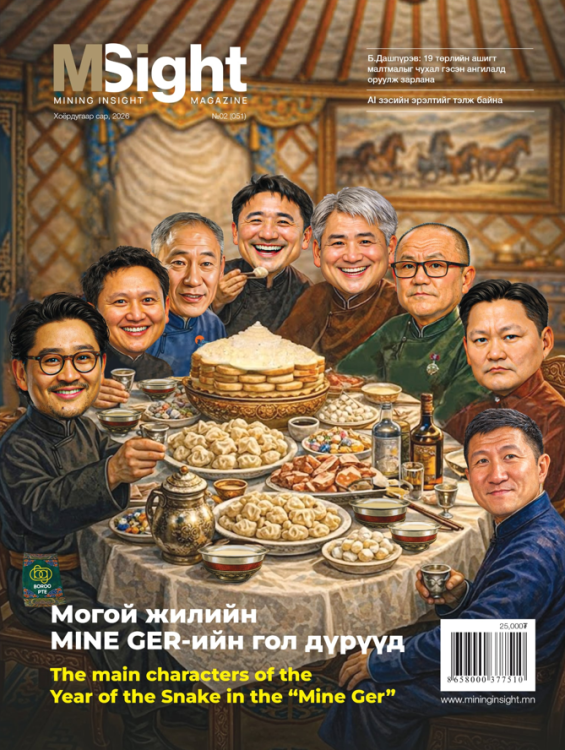
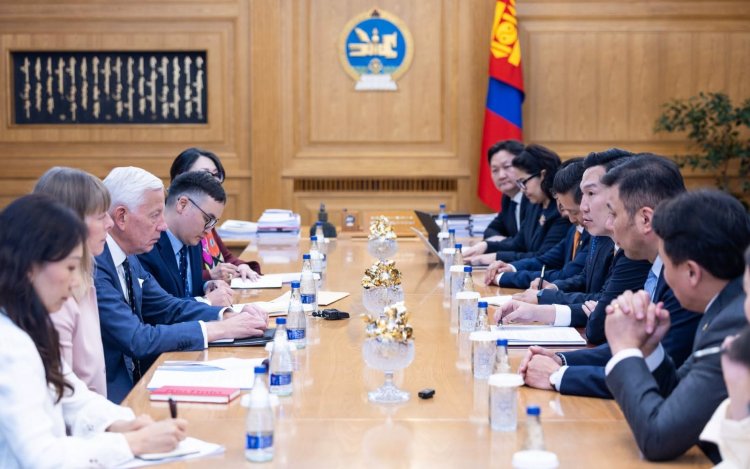
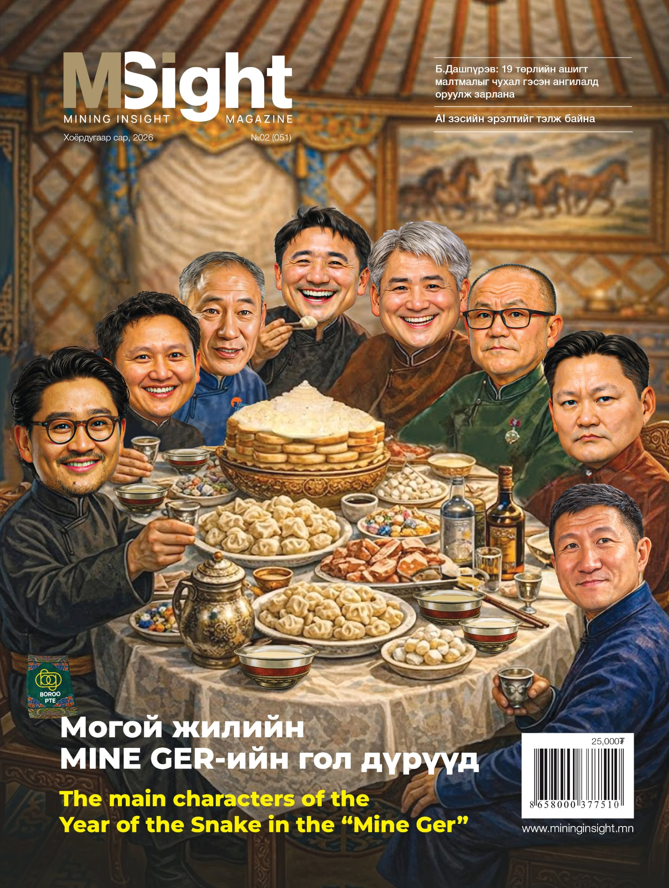
As Mongolia bid farewell to the Year of the Wooden Snake known as “Eldev Erdenet” and welcomed the Year of the Fire Horse known as “Sureer Daragch”, many notable developments took place in the country’s mining sector. Some of these events could even be described as developments capable of reshaping the future of Mongolia’s mining industry. Mining Insight highlights the key figures of the mining sector in the Year of the Snake. Amid policy changes in the mining sector, major merger and acquisition deals among leading companies and the commissioning of new projects, who were the individuals standing at the forefront of these developments. Among the major developments, one example that could potentially bring the most significant change to Mongolia’s mining sector is the negotiations between the government and several companies to accumulate 60 percent of the benefits from strategic deposits into the National Wealth Fund. Three of the 26 companies holding licenses on strategic deposits have already announced that they have negotiated with the government and agreed to contribute 60 percent of their benefits. Many questions remain unclear, including how much money 60 percent of the benefits represents, how benefits are defined, how the arrangement will affect investors and companies, and whether more major deposits will be designated as strategic deposits in the future with the same requirement applied. However it is evident that this negotiation could establish a new precedent for Mongolia’s mining sector.