

E.ODJARGAL
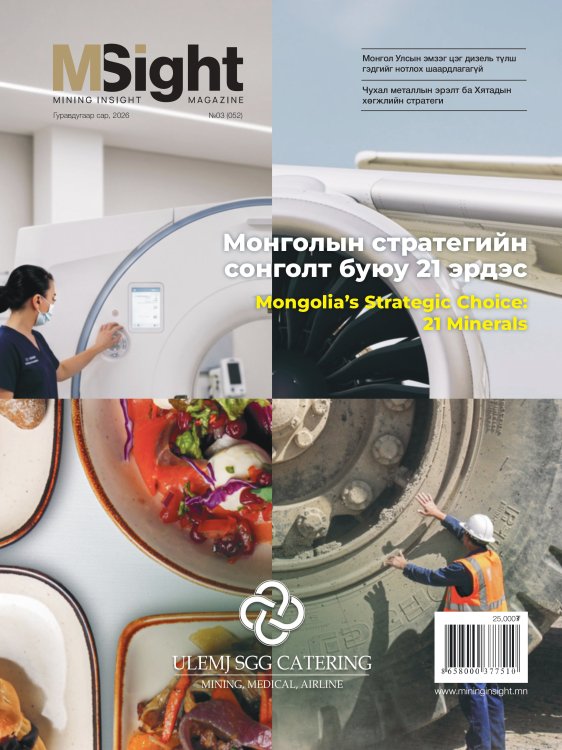
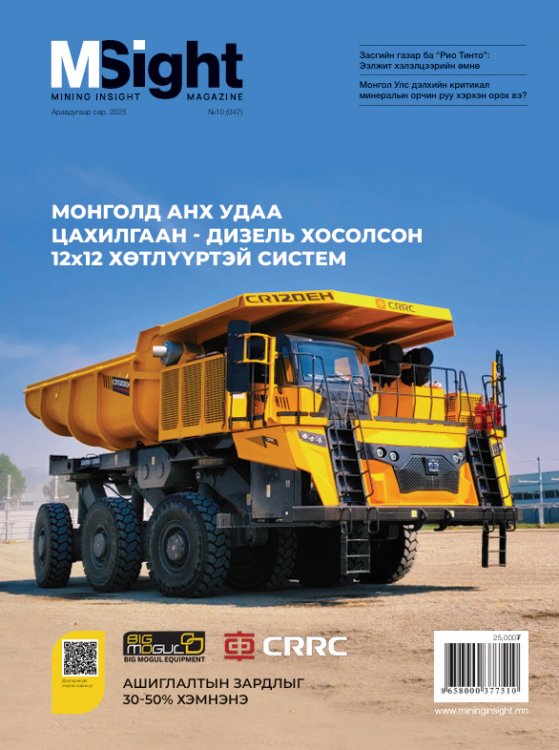
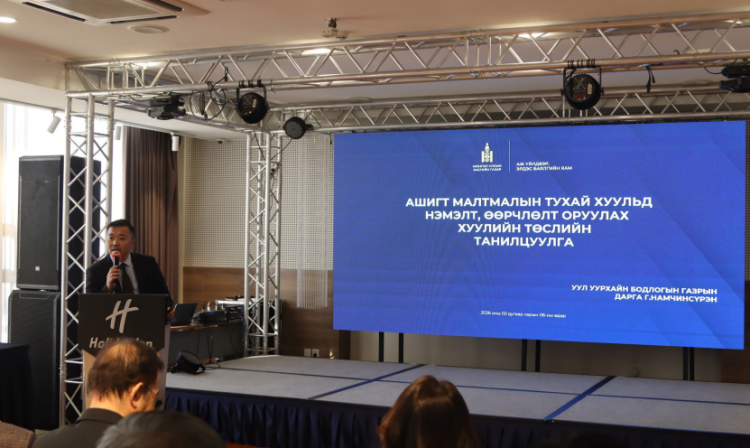
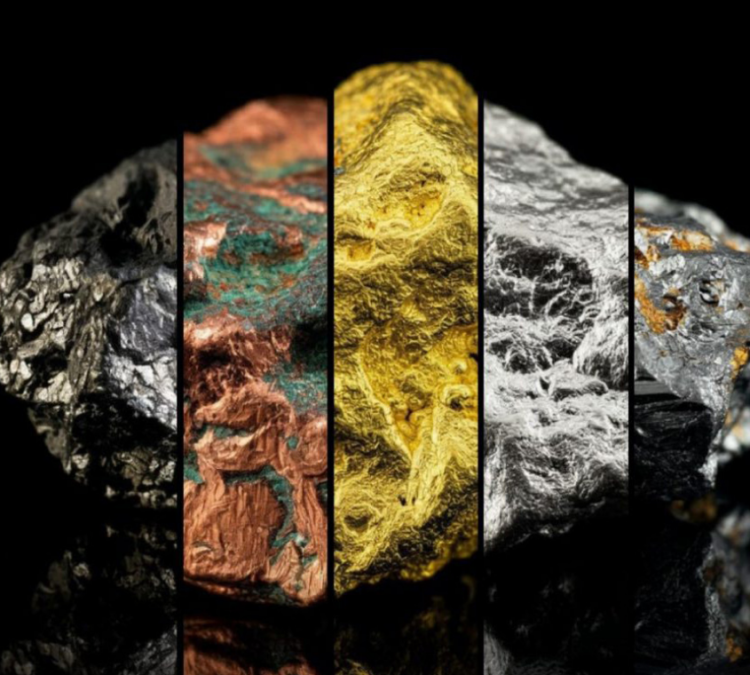
Mongolia is planning to include 21 minerals in its national list of critical minerals. If the proposed amendments to the Law on Minerals, currently being prepared for submission to Parliament, are approved and include provisions on critical minerals, the Ministry of Industry and Mineral Resources will submit its finalized list to the Government. The minerals proposed for inclusion are highlighted in the lead article of this issue.
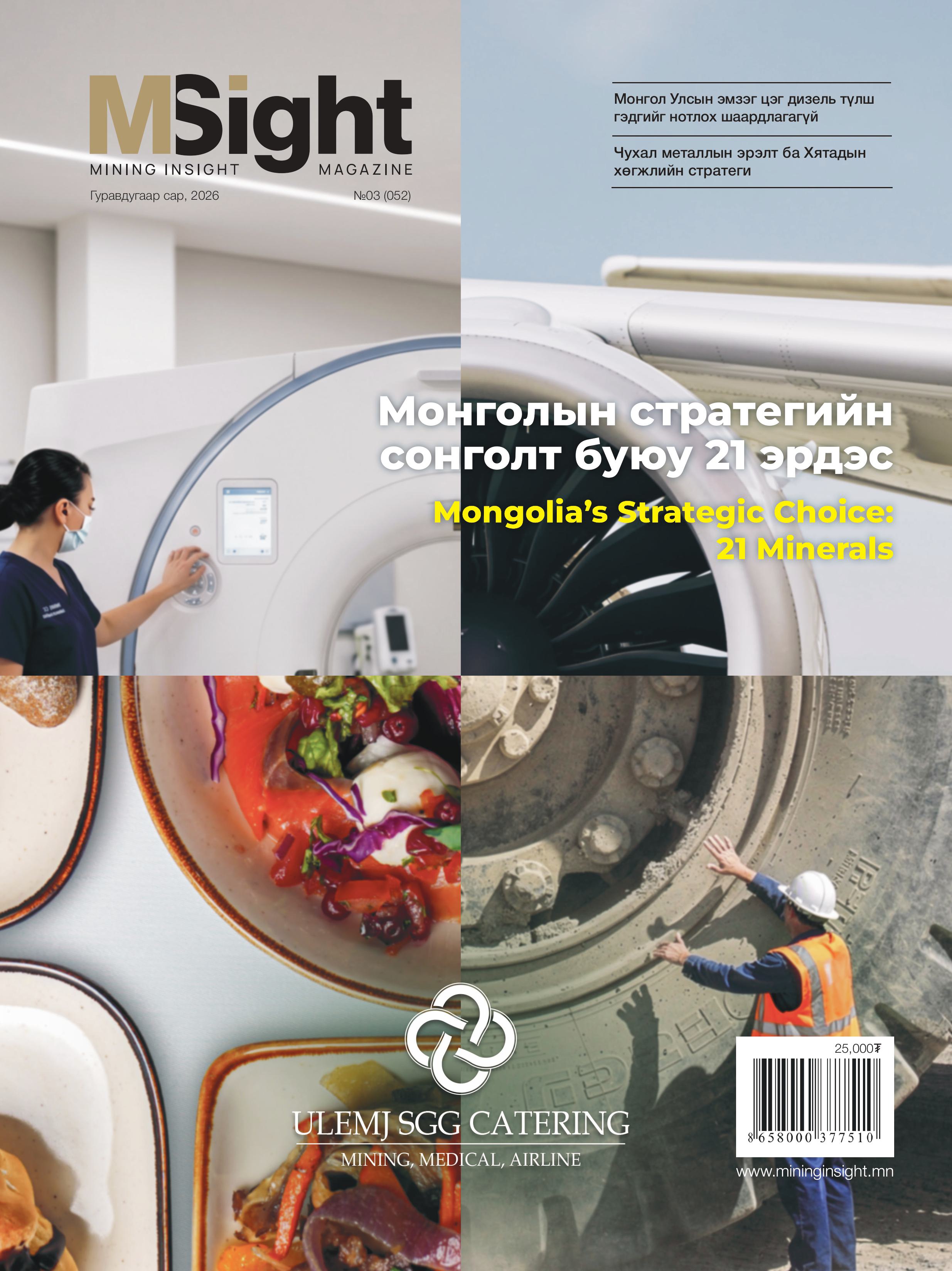 Mongolia aims to bring reserves of high-demand, high-tech metals into economic circulation. This is intended to diversify mineral exports and elevate the mining sector to a new level. The Ministry of Industry and Mineral Resources has announced during its Open Door Day that the legal basis for declaring a national critical minerals list is being established, alongside the implementation of a dedicated policy. Experts often highlight Mongolia’s geopolitical potential in the global critical minerals market. At the same time, they point to limited new discoveries and insufficient geological exploration. One key objective of the proposed legal amendments is therefore to intensify exploration and expand geological research. Currently, 1,057 exploration licenses are active nationwide. This is significantly lower than the peak of nearly 6,000, indicating that the sector remains constrained. Opening the sector, attracting investment, and providing policy support are essential as global demand continues to grow.
This strategic shift coincides with the start of the People’s Republic of China’s 15th Five-Year Plan. The plan focuses on technological leadership, clean energy transition, and industrial digitalization. These trends are expected to drive a new wave of demand for critical minerals. According to China analyst Dr. T. Chuluun Erdene, the direction of Mongolia’s largest trading partner will create new strategic opportunities over the next five years.
At the same time, a major risk is emerging. Mongolia’s mining sector, which forms the backbone of the economy and a key source of budget revenue, faces potential disruption. Global tensions and fuel supply uncertainties highlight Mongolia’s dependence on imported petroleum products, especially diesel used in mining. The Government has submitted proposals to the Russian side to ensure stable and preferential fuel supply. The Minister of Industry and Mineral Resources, G. Damdinnyam is on an official visit to Moscow to address this issue.
Despite having crude oil reserves, Mongolia imports more than 99 percent of its petroleum products. The construction of the country’s first oil refinery has now entered its eighth year. The project aims to process domestic crude and supply more than half of national demand in its initial phase. It is financed through a concessional loan from the Government of India and has a total cost of over USD 1.6 billion. According to Director D. Altantsetseg, all contractors have been selected and contracts finalized, ensuring that costs will not increase. Further details on engineering complexity, equipment production, and policy challenges before commissioning are covered in this issue. At the same time, the Government is discussing a draft law to improve the efficiency and use of foreign loans. This is expected to support the progress of this major industrial project.