

S.BOLD-ERDENE
A striking contradiction became evident this month. Prime Minister N. Uchral announced that state budget revenues are falling short by MNT 1.4 trillion and that a budget amendment may be required. At the same time, public spending is rising, including salary increases for teachers and healthcare workers. In parallel, tax reform is being actively discussed, with proposals to reduce the tax burden on citizens and businesses. While this aligns with public expectations, it raises a fundamental question: if taxes are reduced, how will revenues be increased? In the first four months of the year, Mongolia’s mining sector has delivered record-breaking performance.
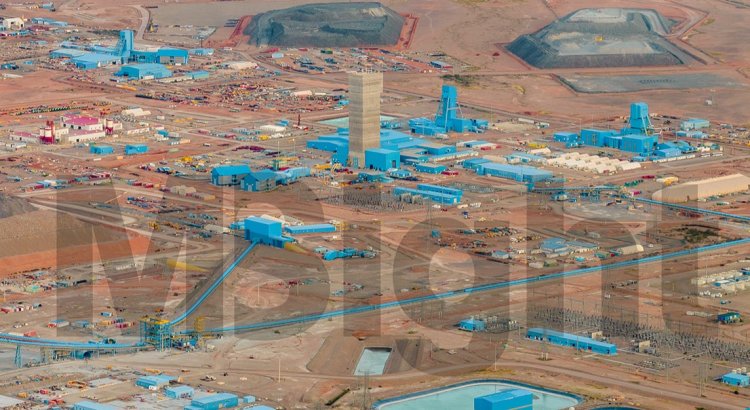
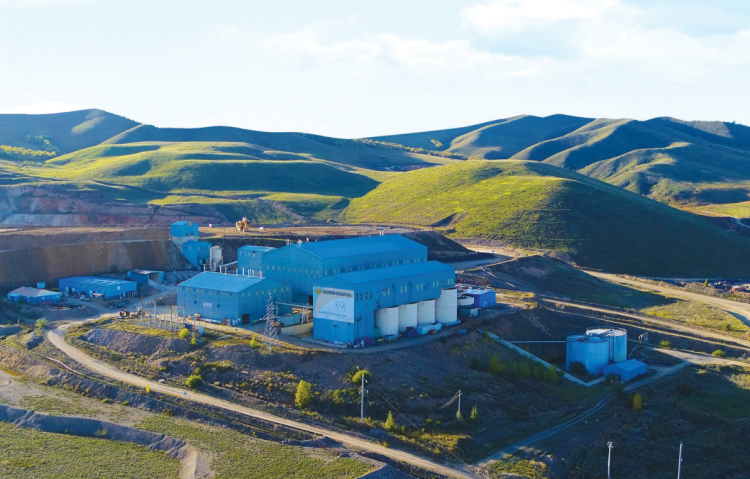
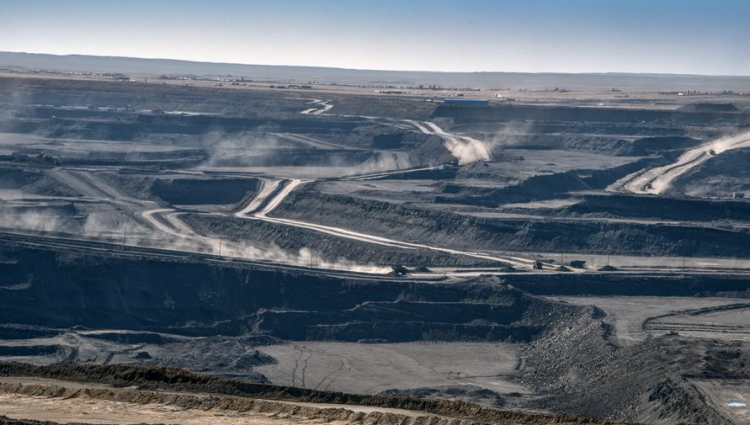
 Oyu Tolgoi reported that its first-quarter production and revenue exceeded plan by at least 10 percent. If this momentum continues, the company could generate USD 2.6 billion in positive cash flow this year, accelerate debt repayment, and bring forward returns to shareholders. At the same time, coal exports have surged to unprecedented levels. In the first four months alone, Mongolia exported 39 million tonnes of coal, an extraordinary result. Until 2022, annual exports rarely exceeded 31 million tonnes. The recovery in exports by Erdenes Tavan Tolgoi has been a major driver. Taken together, Oyu Tolgoi is approaching full production capacity, while Erdenes Tavan Tolgoi’s exports are expected to increase by at least 5 million tonnes. Other major players, including Erdenet Mining Corporation and other producers, are also performing strongly. With gold and copper prices high and coal prices stable, Mongolia’s mining sector could be heading toward one of its strongest years on record. Yet despite this, budget revenues are still insufficient to cover expenditures, and deficits persist. This is occurring even as major strategic deposits such as Oyu Tolgoi, Tavan Tolgoi, Erdenet, and Nariin Sukhait are operating at or near full capacity. This contradiction leads to a broader realization: Mongolia’s mining base remains relatively small. In simple terms, the economy is relying on just a handful of major “cash-generating assets.” Beyond these few operations, many strategic deposits have yet to be developed and are not contributing to economic output. Bringing all strategic deposits into production, and accelerating the development of new resources, is therefore one of the most critical priorities for Mongolia in the coming years. However, this must not be driven solely by short-term fiscal needs, but by a long-term vision for building a stable and sustainable economy. In this context, allocating the Borteeg deposit within the Tavan Tolgoi to foreign investors would be a questionable decision.
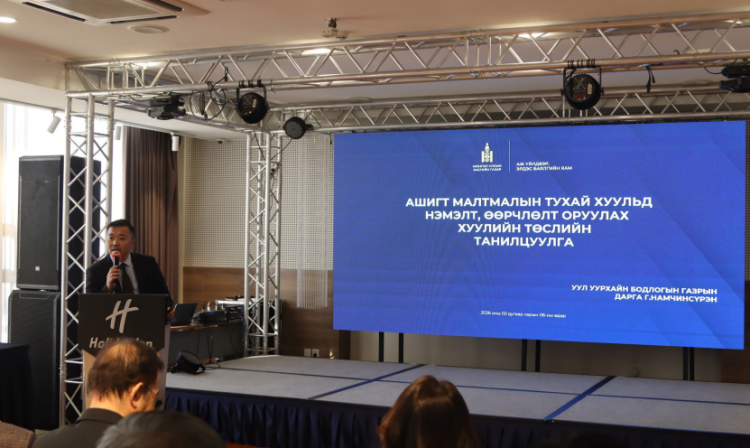
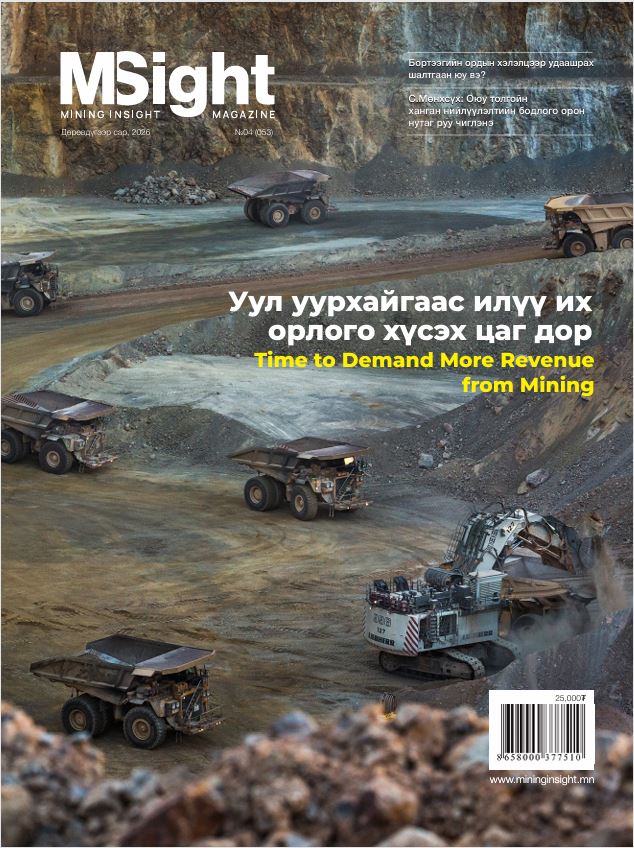
Over the next 10 to 15 years, the main buyers of Erdenes Tavan Tolgoi’s coal are expected to remain large Chinese state-owned companies such as Chalco and Norinco. In addition, deposits such as Onch Kharat and Bor Tolgoi within the Tavan Tolgoi group have already been contracted to China Energy. Granting another deposit to a different Chinese state-owned company raises strategic and policy concerns. Against this backdrop, the Government has approved the draft amendments to the Law on Minerals and decided to submit them to Parliament. The core objective of these reforms is to move away from reliance on a limited number of mines and companies, and instead unlock new deposits, expand exploration, and bring stalled projects into economic circulation. This direction reflects the realities of the current situation, as highlighted in this issue of Mining Insight.