

S.BOLD-ERDENE
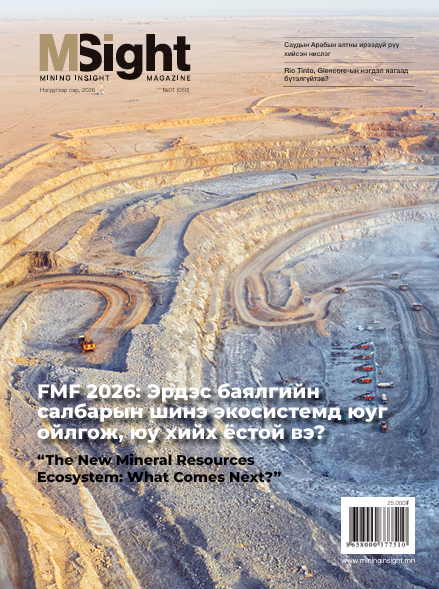
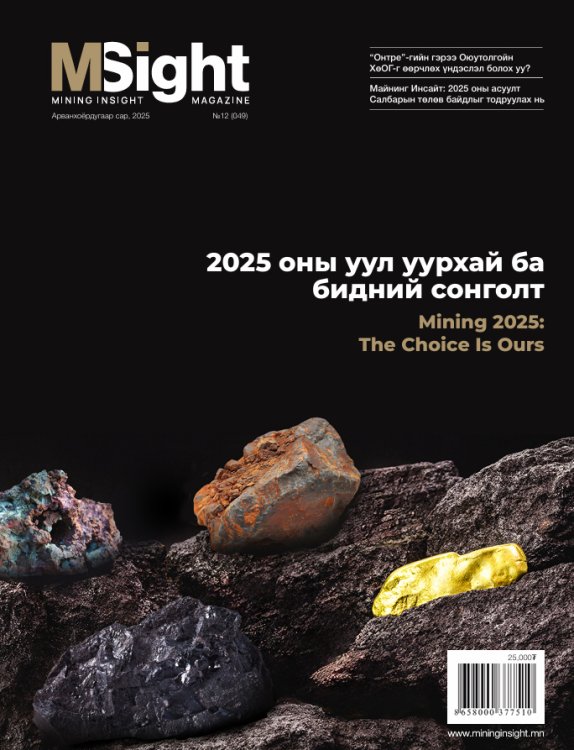
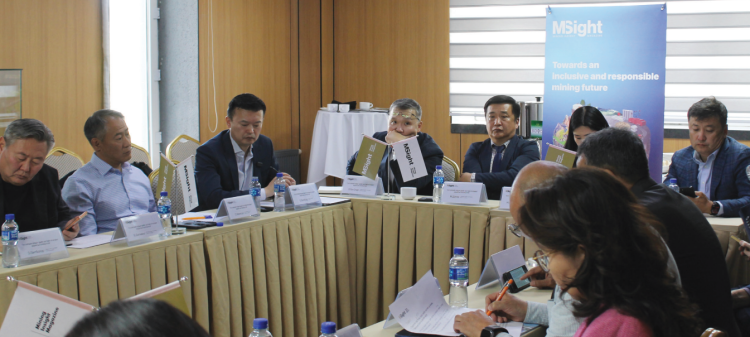
As global geopolitics and the balance of power continue to shift, major changes are also beginning to take place in the mining sector, particularly within mineral supply chains. This is closely linked to the sharp increase in mining activity over the past few years by countries led by Saudi Arabia. Africa, often described as the world’s main hub of mineral resources, together with the Gulf countries located to its northeast and the neighboring countries of Central Asia, are geographically interconnected regions that are now playing an increasingly prominent role in global mining supply networks. Based on the principle of mutually beneficial cooperation, key issues that will be most pressing for the mining sector in the coming years, including new technologies and innovation, the future workforce and skills, and investment, were discussed at the Future Minerals Forum, held for the fifth time in Riyadh, the capital of Saudi Arabia. Mining Insight Magazine has become an official media partner of the forum from this year and is presenting comprehensive coverage of the event to its readers in this issue. This reflects Mining Insight’s ongoing commitment to delivering international perspectives to its audience, including developments in the global mining sector, government ambitions and policies, and the long-term strategies of major companies.
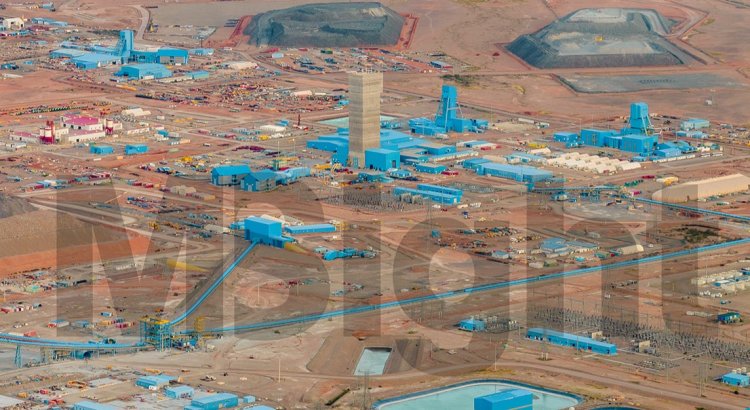
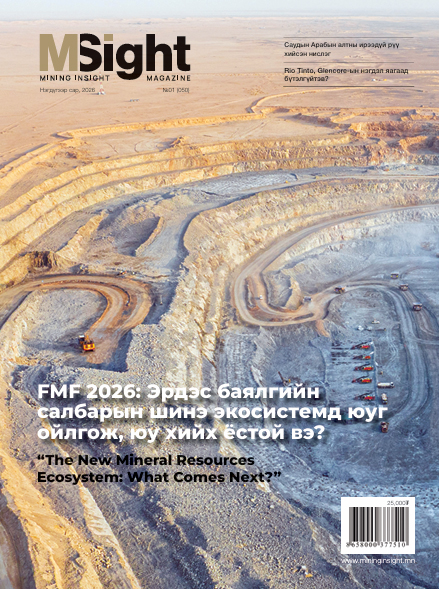 This issue features a special interview conducted by Mining Insight with Máximo Pacheco, Chair of the Board of Codelco, the world’s leading copper producer, along with selected highlights from keynote speeches delivered by influential leaders of the mining industry at the Future Minerals Forum. The issue also presents an on-site report from the largest gold mine operated by Maaden, a company that is steadily expanding its influence not only within Saudi Arabia but also across the global mining sector. The year 2025 is becoming a year that will be clearly marked in the history of the global mining industry. Prices of metals such as gold, copper, and silver reached historic highs, making it an exceptionally busy year for miners. In line with future trends in mineral markets, consolidation among mining giants is gaining momentum. This issue explores the reasons behind the failure of the highly anticipated merger talks between Rio Tinto and Glencore, which attracted significant global attention. Mongolia’s mining sector also experienced a year marked by both significant achievements and notable losses.
Driven by rising copper prices, Mongolia’s copper exports reached a historic high. Production at Oyu Tolgoi peaked, with 345,000 tonnes of copper produced and exported, making Oyu Tolgoi the largest taxpayer in Mongolia for the first time. Despite a decline in coal prices, Mongolia’s coal exports reached a new record of 90 million tonnes. However, this had a strong impact on Erdenes Tavan Tolgoi, the country’s largest coal exporter, with sales revenue declining by more than 40 percent. The positive outlook in commodity markets, particularly for base metals, has fueled hopes within the industry that Mongolia’s mining sector structure may undergo meaningful change. Miners are expecting stronger support for gold and copper projects and for their development to move forward. In this context, the Government plans to submit amendments to the Minerals Law to Parliament in the near future and has begun presenting the draft law to stakeholders.
If adopted, the amendments are expected to reduce high copper royalty rates and introduce application-based exploration licensing, helping to address several pressing challenges facing the mining sector. In this issue, Mining Insight Magazine also presents a special interview with Minister of Roads and Transport B. Delgersaikhan, providing readers with the latest information on the progress of railway projects required to increase Mongolia’s mineral exports, the status of negotiations with neighboring countries, and planned new railway projects.