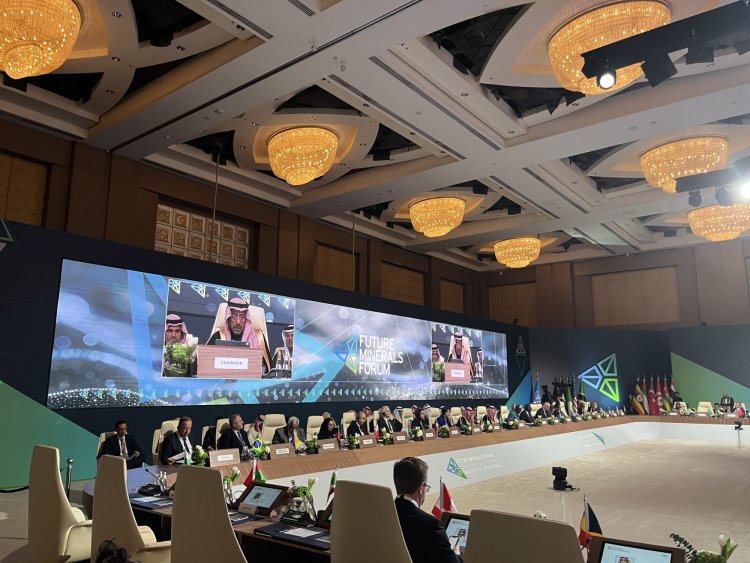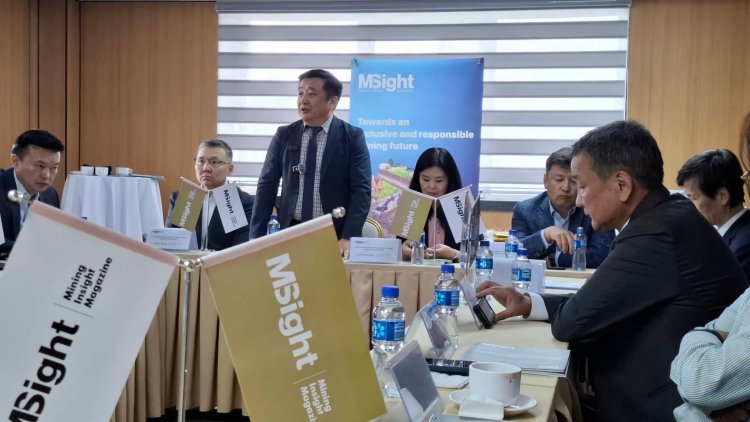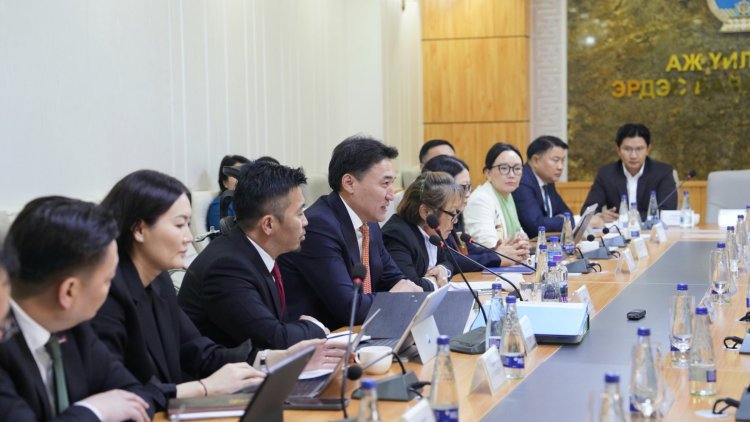


The Future Minerals Forum (FMF) will take place on 13–15 January 2026 in Riyadh, the capital of the Kingdom of Saudi Arabia. Ahead of the event, the organizers held an international online press conference on 5 January 2025 at 14:00 local time (19:00 Ulaanbaatar time).
The press conference brought together Khalid bin Saleh Al-Mudaifer, Vice Minister for Mining Affairs at the Ministry of Industry and Mineral Resources; Ali Al-Mutairi, Chief Executive Officer of the Future Minerals Forum; and Aldo Pennini, Director of Strategy, Program and Content at the Forum. The discussion focused on the Future Minerals Forum and, in particular, on its flagship session—the Ministerial Roundtable. Below is a summary of the key points highlighted during the briefing.
The Government of Saudi Arabia began implementing its Saudi Vision 2030 strategy in 2016. Established within this framework, the Future Minerals Forum is now preparing to convene for the fifth consecutive year.
Saudi Vision 2030 is built on three core pillars, one of which prioritizes the development of the mining sector as a key driver of economic diversification and investment attraction. In advancing this goal, Saudi Arabia seeks not only to learn from international best practices, but also to share its own knowledge, experience, and achievements. The Future Minerals Forum was created as a dedicated platform to support this exchange and continues to expand in scope and influence.
Saudi Arabia has achieved significant progress in the exploration sector in a relatively short period. Whereas only six companies were previously active in the country, the number has now grown to 226, accompanied by a sharp increase in sectoral investment.
Since its inception, the Future Minerals Forum has centered on three strategic pillars. The first is access to finance and investment. The second focuses on maximizing the economic contribution of mining to GDP, emphasizing that mineral-producing countries must derive sustainable, long-term benefits from their resources—particularly for local communities. The third pillar addresses government capacity to manage and lead change, ensuring that the foundations for sectoral transformation are firmly in place.
To strengthen the global financing environment, the Forum works closely with the World Bank, which has expressed strong interest in supporting advanced exploration, geological research, and mining-related infrastructure. Last year, the World Bank Group announced its intention to take a leading role in this space and introduced its first dedicated mining strategy.
The Forum also envisions the development of seven mineral corridors. Demand is rising rapidly for raw materials used in electrical equipment, electric vehicles, and household appliances. Many of these resources are concentrated in Africa, particularly in the Democratic Republic of the Congo, Zambia, Angola, and neighboring countries. Latin America also plays a critical role, especially Chile and Argentina, which host key lithium resources essential for battery manufacturing.
To enhance geological and exploration capacity, Centers of Excellence focused on human capital development have been established in Saudi Arabia, Morocco, and South Africa. These centers function as bridges between countries, enabling the sharing of training, expertise, and technical support. Going forward, similar centers are planned in Africa, the Middle East, and Central Asia—regions considered new frontiers for mining, with vast potential for modern, responsible sector development.
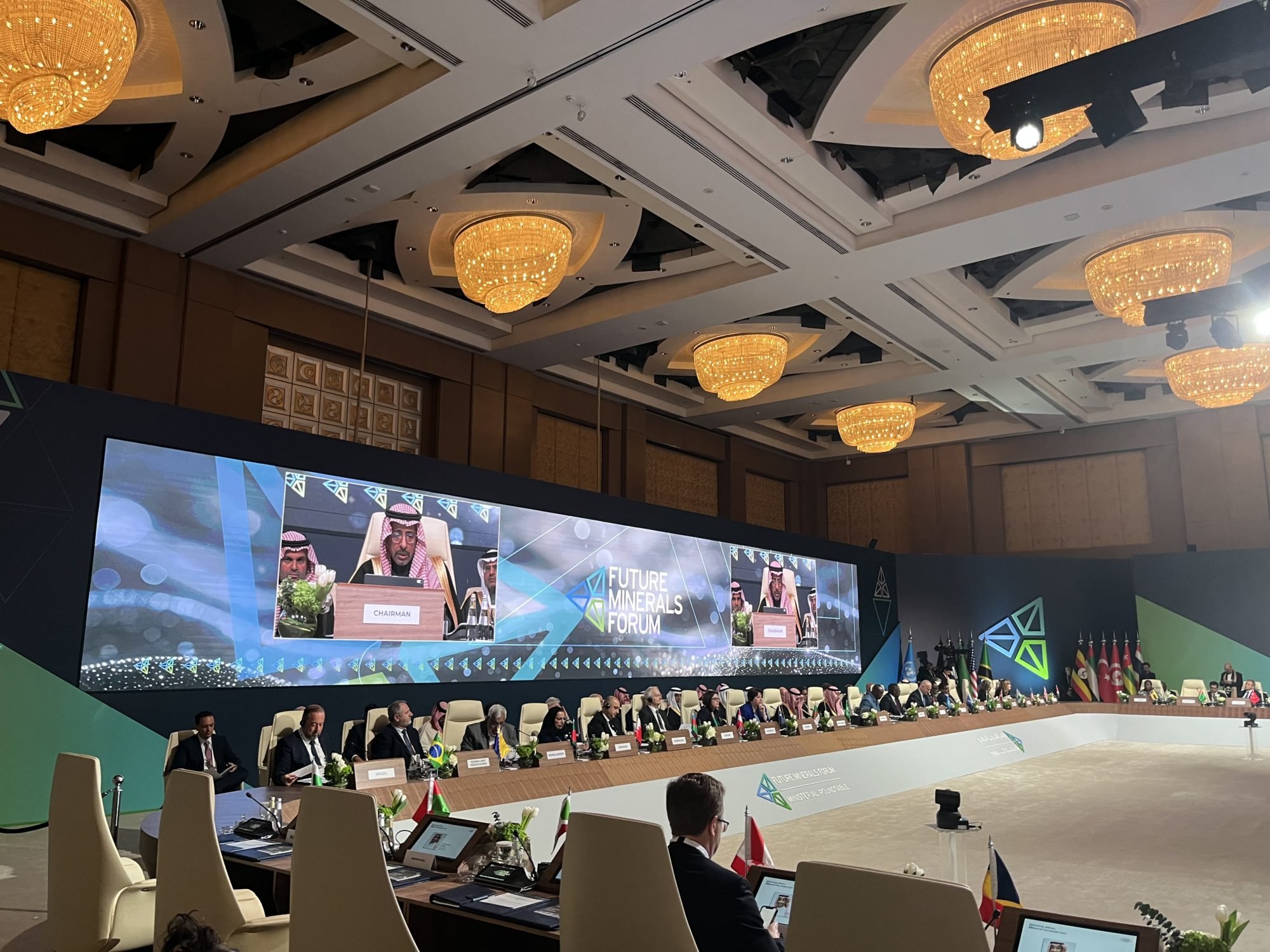
Although mining has existed since the earliest stages of human civilization, the ability to localize the industry and ensure that host countries capture maximum value from their mineral wealth has often been overlooked. Addressing this gap lies at the heart of the Ministerial Roundtable, which serves as the Forum’s conceptual foundation.
From the outset, the Future Minerals Forum has been designed as a truly international platform. A defining feature of this global character is the Ministerial Roundtable itself a high-level, decision-making forum that brings together ministers and senior policymakers, alongside CEOs, owners, and executives of leading global mining companies, as well as experts in advanced technology and sustainability. This unique convergence positions the Forum as a global platform uniting governments, industry, and financial institutions.
A second indicator of the Forum’s global reach is its media impact. Coverage by both domestic and international media demonstrates that its influence has reached a level comparable with other major international mining and energy conferences.
The third indicator is the Forum’s international leadership and coordination. Currently, more than 120 experts and organizations from 42 countries are actively engaged in advancing the Forum’s initiatives.
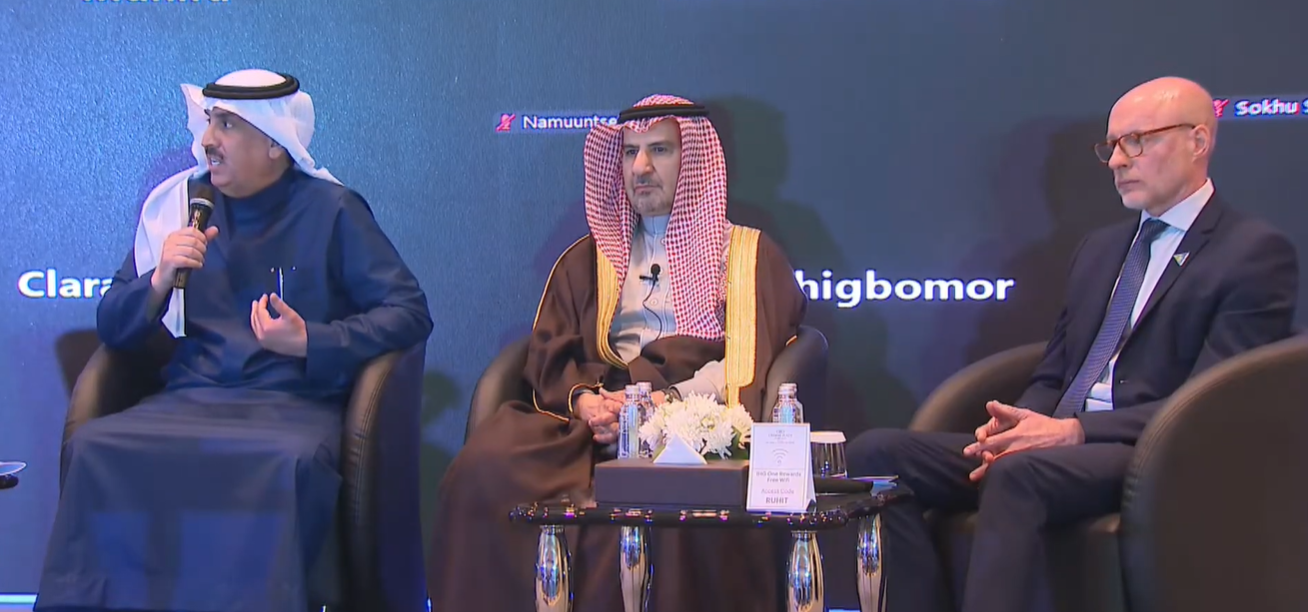
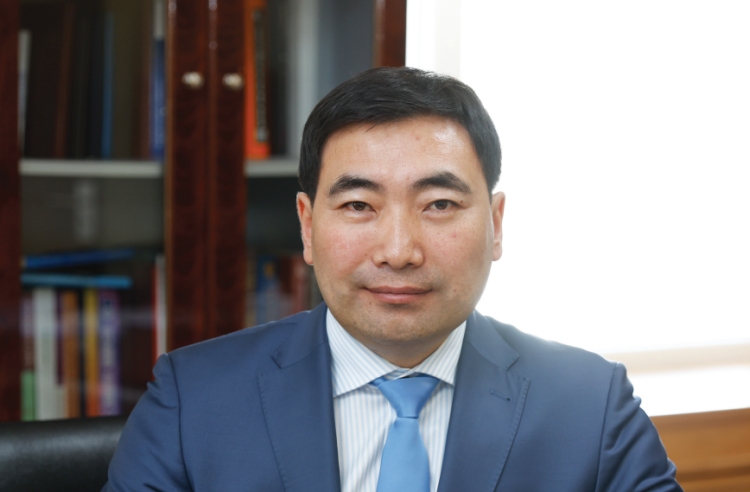
Photo caption: From left to right – Ali Al-Mutairi, Khalid bin Saleh Al-Mudaifer, Aldo Pennini (5 January 2026)
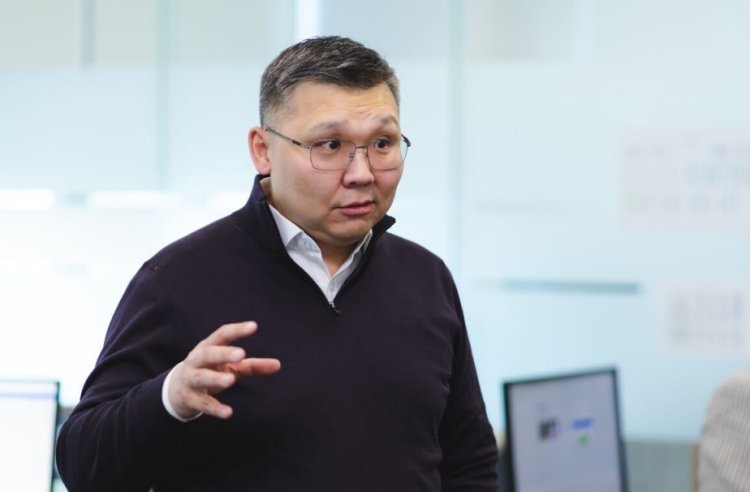
During the press conference, O. Batbold of Mining Insight posed a question to Vice Minister Al-Mudaifer.
Vice Minister Khalid bin Saleh Al-Mudaifer, what message would you like to convey to governments, investors, media representatives, and young professionals attending the Future Minerals Forum for the first time?
Everything we use ultimately comes from the ground. The core message is that mining is indispensable to meeting the growing demand driven by global population growth and economic development. If the world needs more minerals, it will require more mines. To make that possible, we must also address broader challenges, including supply corridors and skilled leadership.
Mining has always been essential. Today, however, the world is undergoing a major transition toward new technologies, expanded data centers, renewable energy, and a greener future. This transformation makes global cooperation more critical than ever.
The mining sector urgently needs more skilled professionals and geologists. Existing skill sets are no longer sufficient, and the talent pool is simply too small. In parallel, we must ensure that technology, extraction and processing methods, licensing, transparency, and sustainability are managed responsibly.
This is why global cooperation matters—and why the Future Minerals Forum is the right place for it. More than 100 governments, including 70 at the ministerial level, participate in the Forum’s roundtable discussions. This is unprecedented in global mining history.
In addition, more than 50 multilateral organizations, NGOs, and trade associations take part. They have the opportunity to engage directly with governments, the United Nations, and other international bodies, while also articulating their own priorities. There is no other platform that enables cooperation at this scale.
Crucially, we also hear directly from young professionals—their ideas, ambitions, and the technologies and initiatives they are developing—all in one place. If you are not part of the Future Minerals Forum, you are missing a major opportunity. This is where the future is being shaped.