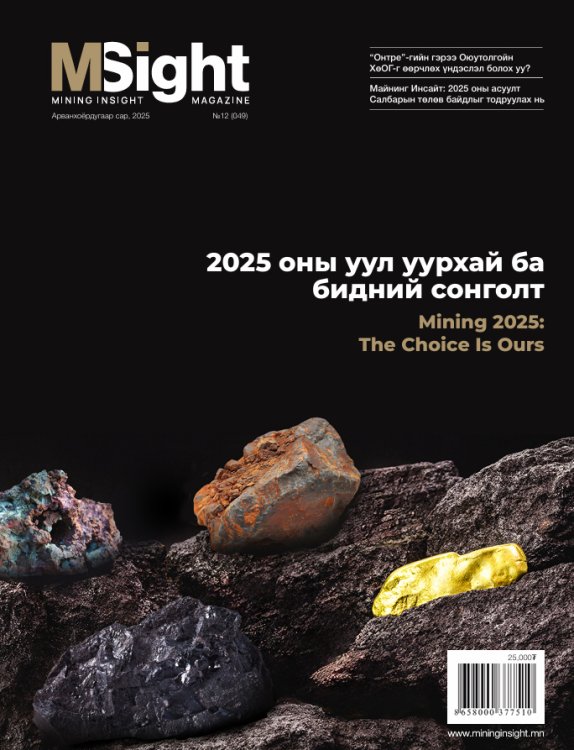


 In its final issue of the year, Mining Insight Magazine follows its long-standing tradition of addressing Mongolia’s leading mining exporters with its annual set of questions. By reviewing the year’s defining features, achievements and challenges, and by examining expectations and plans for the year ahead, the editorial team aims to present a clear picture of the sector’s current direction. The responses of executives from the country’s key mining companies, which form the backbone of state budget revenues, offer one of the most reliable reflections of Mongolia’s mining landscape in 2025. From a price perspective, 2025 was a year of stark contrasts for Mongolia’s main export commodities. While some markets reached historic highs, others experienced severe downturns.
 Copper prices on the London Metal Exchange surpassed USD 12,000 per tonne for the first time, reaching an all-time high. Gold followed a similar trajectory, climbing to USD 4,517 per ounce and setting a new global record. However, the critical question remains whether Mongolia was able to translate this favourable market environment into real economic gains. Unfortunately, the answer is only partial. In copper, both Erdenet and Oyu Tolgoi were unable to expand their production capacity. Although Oyu Tolgoi has been in economic circulation for more than a decade, it has not been followed by new large-scale copper projects. The current royalty structure places a disproportionately high burden on small and medium-sized projects, limiting the sector’s ability to benefit fully from rising prices. A broader and more competitive copper industry will only emerge if royalties are adjusted to reflect market realities. When such changes will materialise, and when their impact will be felt, remains uncertain. Analysts expect current market conditions to persist into next year, raising hopes that 2026 will not repeat the missed opportunities seen in 2025. As coal prices continued to fall throughout the year, it became increasingly clear that a budget heavily reliant on coal revenues would face mounting pressure. In response, the government turned its attention to gold, securing parliamentary approval for the “Gold-3” initiative.
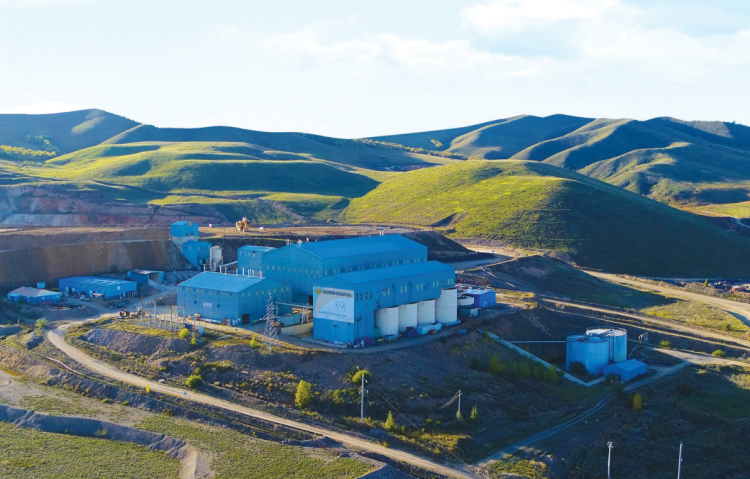
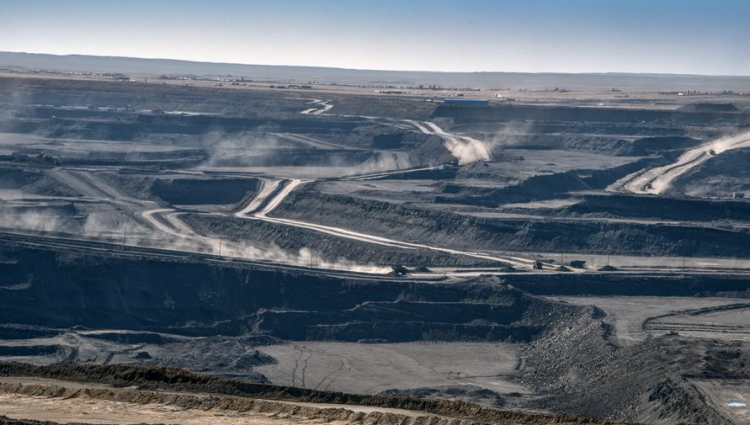
However, the campaign failed to gain real momentum. Following a partial presidential veto related to bringing legally restricted gold deposits into economic circulation, the initiative lost its core substance and faded into a largely symbolic effort. One positive development, however, was Erdene Mongol’s commissioning of the Bayan Khundii primary gold mine, alongside its processing plant and industrial facilities, and the commencement of gold deliveries to the Bank of Mongolia. For the coal sector, 2025 proved to be a particularly challenging year. China, Mongolia’s main export destination, reduced both coal imports and consumption, directly affecting export revenues. Coal producers responded by increasing physical export volumes in an effort to offset falling prices. Interviews with industry leaders reveal a sector that continued operating under pressure, maintaining output despite difficult market conditions. The iron ore market also offered little relief. Although price declines were less dramatic than in coal, uncertainty and risk remained persistent throughout the year.
Overall, although demand for metals such as copper and gold reached historically high levels in 2025, Mongolia ended the year not benefiting economically from rising prices, but rather with a budget deficit. In other words, 2025 was marked by overheated politics and a strained economy. The reason lay not in the market itself, but in our own choices insensitive policies and slow decision-making While global mining industries rapidly adapt to the green transition and intensifying competition for strategic minerals, Mongolia’s mining sector has struggled to move forward. Exploration activity remains constrained after years of stagnation, and investor perceptions of Mongolia as a high-risk destination persist. Public and local participation, along with transparency, continue to depend more on ad hoc decisions than on coherent, long term policy. In several cases, the state has shifted from being a stabilising regulator to an additional source of uncertainty. Overlapping regulations, legal ambiguity and politically driven decisions have slowed sectoral development and limited growth opportunities.
Mining remains one of Mongolia’s key comparative advantages. Without decisive reforms and a clearer strategic direction, however, there is a real risk that 2026 could once again become a year of missed potential. Nonetheless, there is room for optimism. The lessons of 2025 are clear, and opportunities for reform remain open. With this hope, Mining Insight Magazine presents its final issue of the year and looks ahead to a more dynamic and forward-looking period for Mongolia’s mining sector.