

ESTABLISHING A LEGAL FRAMEWORK FOR THE HEAVY INDUSTRY SECTOR
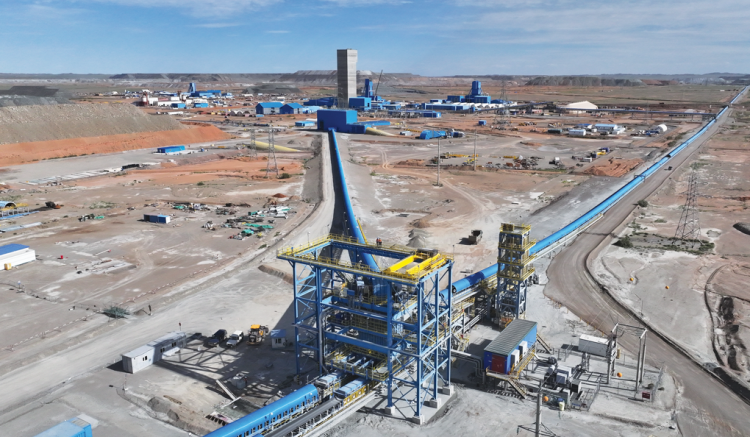
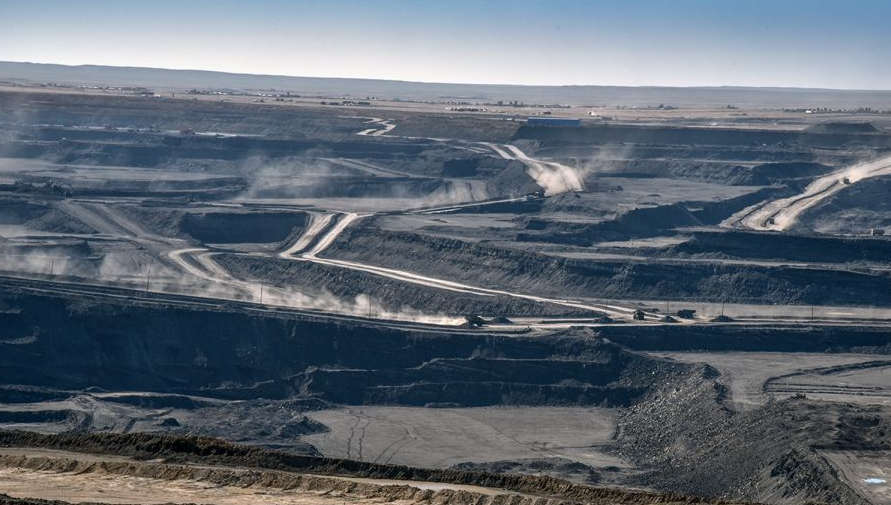
The Law on Supporting Industrial Production, adopted in 2015 with the aim of promoting industrial development, was repealed in 2020. The currently applicable Minerals Law regulates relations from mineral exploration through beneficiation. Meanwhile, the Law on the Legal Status of Industrial and Technology Parks, adopted by the Parliament on July 5, 2022, provides support only for production activities carried out within industrial parks. As a result, heavy industry operations conducted outside these parks have been left without legal regulation. Due to the absence of a comprehensive legal and regulatory framework, opportunities to support and develop the heavy industry sector as a core branch of industry, attract investment, regulate industrial activities, and exercise effective oversight remain limited. This situation has led to conditions in which production costs are high, productivity is low, outdated and low-cost equipment and technologies are imported, and industrial activities are carried out that pose risks to human health, livestock, and the environment. Against this backdrop, the line ministry is working to establish a favorable legal environment to support and develop heavy industry based on advanced technology and innovation, through investment incentives as well as tax and non-tax policy measures. The objective is to increase the level of processing of key export commodities such as coal, petroleum, copper, and iron ore, and to expand the production of competitive value added products. Once the heavy industry sector is regulated by a dedicated legal framework, foreign direct investment is expected to increase, public private partnerships to expand, new value added industrial facilities to be commissioned, and the number of stable jobs to grow, generating positive social and economic impacts, including sustained growth in GDP per capita.
PROPOSED AMENDMENTS TO THE LAW ON MINERALS
The draft law proposes a series of amendments, covering the following key areas. First, it introduces comprehensive regulations governing mineral processing activities. This includes the issuance of processing licenses, the rights and obligations of license holders, and the overall legal framework for conducting mineral processing operations. Second, it sets out detailed procedures for applying for, registering, and reviewing exploration licenses. It also addresses issues related to the exploration and exploitation of critical minerals, public participation, and the definition of impact areas associated with mining activities. Third, the draft regulates the utilization of derivative deposits, engagement with local administrative authorities, royalties on mineral resource use, and the legal framework governing artisanal and small-scale mining. Fourth, it clarifies the rights, obligations, and payment-related arrangements between the Government, state administrative bodies, and holders of mining licenses. Fifth, it proposes that matters currently regulated under the Law on Common Minerals be integrated into and governed by the Law on Minerals. Sixth, it defines the benefits derived from mineral resources and regulates issues related to mineral ownership and associated legal relations. By incorporating these amendments, the draft law is expected to deliver several important outcomes. Once adopted, it will establish a legal framework that allows the benefits of subsoil resources to be channelled into the National Wealth Fund without infringing upon the constitutional right to private property. By clearly defining the benefits of state-owned public resources, the law will provide greater legal certainty for businesses operating in the mining sector, creating a more stable and predictable investment environment. In addition, the amendments are expected to accelerate the issuance of exploration licenses, expand Mongolia’s mineral resource base, and attract increased investment into the mining sector, thereby generating positive social and economic impacts. The draft also introduces revised legal regulations addressing issues such as coordination with local authorities, public and community participation, and the optimization of royalty rates for certain types of minerals. Furthermore, by adjusting license fees in line with exchange rate movements and inflation, requiring mineral processing plants to operate strictly under licensing arrangements, and refining the legal framework for artisanal mining, the amendments aim to further strengthen responsible mining practices. As a result, public understanding of the sector is expected to improve, trust to increase, and social opposition to mining activities to decline. Ultimately, the proposed amendments will create a legal environment in which the benefits of subsoil resources can be shared on equal and fair terms, regardless of the size of the deposit, while expanding revenue sources for the National Wealth Fund. This, in turn, will enhance both current and future generations’ ability to benefit from Mongolia’s natural resources and contribute to the consolidation of a responsible mining sector.
PROPOSED AMENDMENTS TO THE LAW ON PETROLEUM PRODUCTS
The Law on Petroleum Products was first adopted in 2005 and has been in force for nearly 20 years. Although several amendments have been introduced over this period, regulatory gaps and persistent challenges within the sector remain unresolved. Current sector conditions and the need for reform Research and analysis show that while the petroleum products sector plays a critical role in Mongolia’s social and economic development, the absence of a consistent long term policy, an appropriate tax framework, and a stable legal foundation has significantly constrained the country’s ability to reduce its dependence on imports. Two decades of experience clearly demonstrate these structural weaknesses. As a result, there is an urgent need to establish a legal environment that ensures the safety of gas supply, strengthens human resource capacity, and promotes transparent and efficient operations. Clarifying the roles and relationships among the state, citizens, and businesses in the gas fuel sector, and creating a policy framework that supports the development of this strategically important industry, has become a pressing necessity. Against this backdrop, amending the Law on Petroleum Products and introducing more detailed regulatory provisions is both timely and justified. Addressing inconsistencies, gaps, and overlaps in legislation Certain laws referenced in Article 2 of the Law on Petroleum Products have since been repealed, creating the need to align the law with updated legislation. For example, references to the Law on Prohibiting Unfair Competition, the Law on Protection from Toxic Chemicals, and the Law on Railway Transport Safety must be revised to correspond with the newly enacted Law on Competition, Law on Toxic and Hazardous Chemicals, and Law on Railway Transport. In addition, Article 5 grants the Government the authority to establish “state reserves,” yet the concept itself is not clearly defined. This has created legal ambiguity and highlighted the need to harmonize the provision with relevant regulations under the Law on State Reserves. The growing complexity of petroleum product production, pipeline construction and operation, air pollution reduction policies, and the rapidly expanding use of gas fuel further underscores the need for more detailed regulation. In this context, several issues require explicit legal clarification, including:
• establishing a unified system for monitoring fuel quality and standards
• strengthening regulation of the import, trade, and production of intermediate products
• restricting the sale of substandard petroleum products
• imposing excise taxes on raw materials that could be used to produce counterfeit fuel
• creating a professional advisory council to issue opinions and recommendations on licensing for import, production, wholesale, and retail activities, and clearly defining its mandate and authority
Accordingly, the drafting process for the amendments must carefully assess alignment with related legislation, identify overlaps, gaps, and contradictions, examine implementation challenges, and clearly define the rationale and expected impact of the proposed regulatory changes. Sector realities and quality control challenges The Law on Petroleum, which regulates the core relationships in the upstream sector, was revised in 2014. Since then, a number of foundational laws have been updated, including the Law on Permits (2022), Law on Metrology (2019), Law on Fire Safety (2015), Law on Construction (2016), Law on Competition (2010), and the Law on Standardization, Technical Regulation, and Conformity Assessment Accreditation (2017). These developments provide strong justification for a comprehensive revision of the Law on Petroleum Products. In recent years, repeated violations involving the import and sale of substandard fuel have been recorded, resulting in financial losses for citizens, vehicle damage, and adverse impacts on human health and the environment. Joint inspections conducted between 2018 and 2021 by the General Customs Administration, the General Agency for Specialized Inspection, the Civil Aviation Authority, and the Authority for Fair Competition and Consumer Protection identified 13–15 companies involved in importing and selling fuel that failed to meet quality standards, highlighting the seriousness of the issue. Furthermore, Supreme Court rulings issued on April 8, 2020 (No. 116) and December 9, 2019 (No. 406) upheld penalties imposed on companies that supplied products not meeting the MNS 0217:2017 standard. These developments make it imperative to tighten requirements for fuel import and sales, clearly define permitted product types and compositions as well as prohibited substances, strengthen the quality control system, and codify specific enforcement measures for violations. At the same time, reducing import dependence by developing domestic petroleum refining based on local raw materials, promoting public–private partnerships, and establishing a favorable tax and legal environment will be essential foundations for the sector’s sustainable development. Once adopted, the draft amendments are expected to eliminate overlaps, gaps, and inconsistencies in the current Law on Petroleum Products. For Mongolia, this would pave the way for the emergence of a new value-added petroleum products industry, reduce reliance on imports to a meaningful degree, contribute to exchange rate stability, and improve fuel quality and price stability, generating tangible positive social and economic impacts. Moreover, the establishment of a petroleum refinery would not only enable domestic fuel production but also lay the groundwork for the development of a broader chemical industry producing a range of chemical substances and products.
KEY CHANGES IN THE REVISED DRAFT OF THE LAW ON PETROLEUM
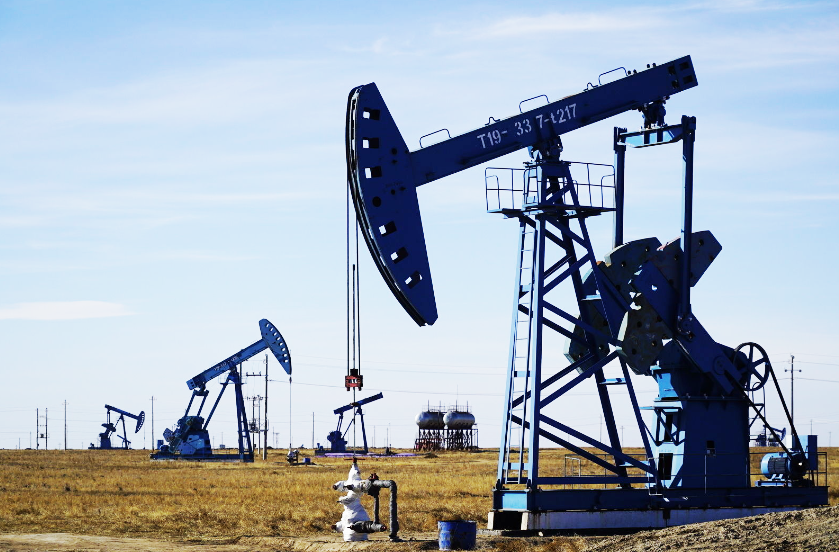
Based on an assessment of the impacts of the current implementation of the Law on Petroleum, a comprehensive revision has been initiated to eliminate overlaps, gaps, and inconsistencies in the legal framework, increase both foreign and domestic investment, and modernize regulation across the sector. The revised draft aims to expand the range of contractual arrangements under which petroleum and unconventional petroleum exploration and production may be conducted. In addition to the existing Production Sharing Agreement (PSA) model, the law would allow operations under other contract types, including tax–royalty agreements, service contracts, joint operation agreements, revenue-sharing agreements, and similar arrangements. It would also enable investors currently operating under PSAs to transition to other contract models provided for by law, reduce the level of direct state participation, and improve the legal framework governing unconventional petroleum resources, particularly coalbed methane. Further proposed changes focus on intensifying exploration and research activities and facilitating the discovery of new reserves. To this end, the draft seeks to simplify the procedures for granting exploration and production licenses, remove contractual fees and charges payable by investors during the exploration phase, and streamline the stages of oversight, inspection, and certification related to cost recovery under cost oil mechanisms. These measures are intended to lower entry barriers, reduce administrative burdens, and improve the overall investment climate. In line with the government’s policy for the petroleum sector, the revision of the legal and regulatory environment is seen as essential to accelerate exploration and research, discover new fields, increase reserves, and boost production. At the same time, it is critical to ensure a stable and reliable supply of crude oil once Mongolia’s oil refinery comes into operation, making uninterrupted feedstock supply a strategic priority. The overarching objective of the draft law is to energize exploration and research for both conventional and unconventional petroleum, discover new deposits, expand reserves, and increase production. Through these measures, Mongolia aims to secure a continuous and dependable supply of raw materials for its domestic oil refinery, reduce energy dependence, and contribute to lowering air pollution and environmental degradation. The revised draft of the Law on Petroleum introduces a comprehensive set of new regulatory measures aimed at accelerating exploration and research activities for petroleum and unconventional petroleum, discovering new deposits, expanding reserves, and increasing production. The main provisions include the following:
• Through reforms to the legal and regulatory framework governing the petroleum sector, overlaps, gaps, and inconsistencies across related legislation will be eliminated.
• Certain terms will be revised and new terminology introduced in line with the Petroleum Resources Management System (PRMS).
• To encourage investment in the petroleum sector and protect the legitimate interests of investors and contractors, liability will be imposed under relevant legislation where unlawful actions or omissions by state bodies or officials infringe upon lawful rights and interests.
• In order to intensify exploration and research for petroleum and unconventional petroleum, discover new deposits, expand reserves, and increase production thereby ensuring a continuous and reliable supply of feedstock to domestic oil refineries, reducing energy dependence, and lowering air pollution exploration and production activities will be carried out on the basis of contracts предусмотрed under the Law on Petroleum.
• Fees and charges payable by investors under such contracts during the exploration phase will be reduced.
• The law will allow petroleum and unconventional petroleum production to be conducted not only under Production Sharing Agreements (PSAs), but also under other contract types, including tax–royalty agreements, service contracts, joint operation agreements, revenue-sharing agreements, and similar arrangements.
• Investors currently operating under PSAs will be given the option to transition to other contract models provided for by law.
• The legal framework governing unconventional petroleum resources, including coalbed methane and oil shale, will be further developed and refined.
• The tax environment for the petroleum sector will be stabilized.
• Procedures for granting exploration and production licenses will be simplified.
• Where exploration and production activities are conducted under PSAs, oversight, inspection, and certification of cost recoverable expenditures will be carried out by the competent state administrative authority for petroleum, with the number of approval and verification stages reduced.
• The percentage of financial guarantees required to ensure full compliance with environmental rehabilitation obligations and the decommissioning of exploration and production facilities will be reduced, based on research and evidence.
• Certain legal provisions that impose undue burdens on business operations will be repealed, and issues that are difficult to implement within existing timeframes will be adjusted.
• The model Production Sharing Agreement will be updated to align with the revised version of the Law on Petroleum.
• Contracts addressing support for local development during the exploration and production phases will be concluded with the governors of the soum or district in which the licensed area is located. The level of such support will be determined as a percentage, based on annual investment during the exploration phase and production volumes during the extraction phase.
• To intensify petroleum and unconventional petroleum exploration, improve planning efficiency, and save costs and time, primary and final reports, data, and research materials related to petroleum exploration and production conducted across Mongolia will be made open and transparent.
• Conditions for the transfer of rights and obligations under Production Sharing Agreements will be made more flexible.
• Enterprises will be allowed to independently select and contract subcontractors.
• Contractors will be permitted to carry out production activities based on reserves approved by the Mineral Resources Professional Council.
• During the exploration phase, pilot production and the sale of extracted products will be permitted.
Once this draft law is adopted, it will provide a favorable and stable legal environment to implement the objectives set out in Mongolia’s long- and medium-term development policies— namely, to intensify petroleum exploration, expand reserves, and increase production. It will enable the attraction of investors to petroleum exploration projects, support the discovery of multiple large deposits, and bring them into economic circulation. Conditions will also be created to ensure a continuous and reliable supply of feedstock for the domestic oil refinery. Identifying economically viable coalbed methane resources would help reduce Mongolia’s energy dependence while lowering air and environmental pollution. For Mongolia, the reform would lead to the emergence of a new sector producing value-added petroleum products, reduce import dependence to a certain extent, stabilize the exchange rate, and improve the quality and price stability of petroleum products—delivering positive social and economic impacts. At the same time, the construction of an oil refinery would lay the foundation not only for petroleum product manufacturing, but also for the development of a chemical industry capable of producing a wide range of chemical substances and products.
LAW ON SUPPORTING THE SUPPLY AND DISTRIBUTION OF PRODUCTS OF STRATEGIC IMPORTANCE
Chapter One sets out the general provisions of the law, including its objectives, related legislation, scope of application, and guiding principles. The core purpose of these provisions is to support the supply and distribution of products deemed to be of strategic importance. Chapter Two introduces specific measures to be implemented by state authorities that are not covered under the Law on Petroleum Products. In particular, if the supply of a strategically important product is reduced by 50 percent or more by the supplier, the Government will deem that conditions for shortages or disruptions in domestic fuel supply have arisen. In such cases, it will take appropriate measures to diversify supply sources. This includes establishing an emergency task force to promptly organize oversight of wholesale storage facilities operated by importing companies, allocate imported fuel, and regulate retail distribution and sales volumes. Where necessary, reserves held by the emergency management and national defense sectors may also be released. In addition to these organizational measures, the law provides that the Bank of Mongolia may take steps to support the supply and distribution of strategically important products, increase foreign currency reserves, and reduce capital outflows. These measures include providing banks with concessional financing under repo transactions to support working capital for businesses, offering preferential financing or arranging external funding for the construction or expansion of storage facilities, transshipment infrastructure, and the establishment of an integrated system for quality and standards control of petroleum products.
Mining Insight Magazine, November 2025, №11 (048)