

S.BOLD-ERDENE
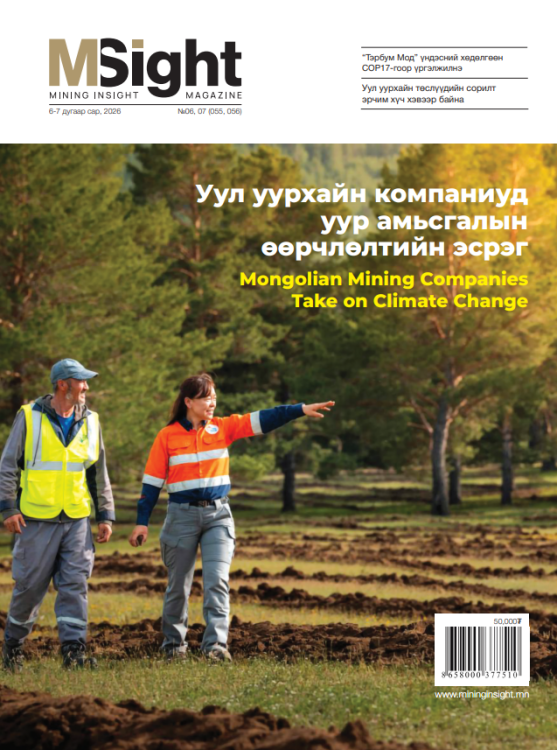
Mongolia is hosting the 17th Conference of the Parties to the United Nations Convention to Combat Desertification (COP17). The conference will bring countries together to discuss, by sector, the measures and plans being implemented around the world to combat desertification and reduce land degradation, as well as the results achieved. As the host country, Mongolia also has an important opportunity to actively discuss and present what it is doing in this area and what new initiatives it plans to implement. It can be said that Mongolia's mining sector is among the most active sectors in responding to climate change. On the one hand, the global movement to reduce greenhouse gas emissions, and on the other, Mongolia's domestic energy and fuel challenges, are requiring mining companies to adopt new approaches and strategies. As a result, major Mongolian mining companies are taking active and increasingly effective measures to reduce their greenhouse gas emissions.
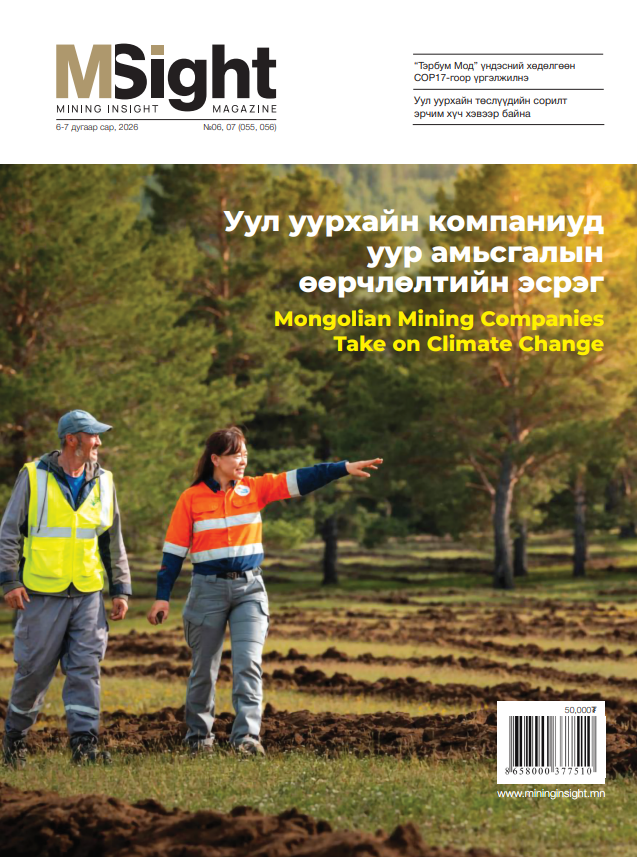
The mining sector has also been one of the strongest and most consistent supporters of the Billion Trees National Movement initiated by President U. Khurelsukh. When the initiative was first announced and discussions began over who would plant how many trees and where, many critics argued that Mongolia had almost no sufficient seed and seedling resources and could not plant and grow one billion trees within just a few years. Today, however, nurseries and agro-parks capable of producing millions of seedlings annually are operating across the country, and the number of trees planted each year continues to increase accordingly. Looking back at the initial commitments, Selenge Province pledged to plant 20 million trees and has already exceeded that target by 68%, planting 33 million. Among mining companies, Oyu Tolgoi and Erdenes Tavantolgoi, the two largest contributors, have together planted and grown 36 million trees. Planting trees is one issue. More importantly, however, is how companies reduce the greenhouse gases they themselves emit. For mining companies, the majority of emissions come from fossil-fuel based electricity and diesel consumption. This is why initiatives to change these long standing patterns of energy use are now gaining momentum. In this issue, Mining Insight highlights how Mongolia's mining companies have already begun their transition toward renewable energy.
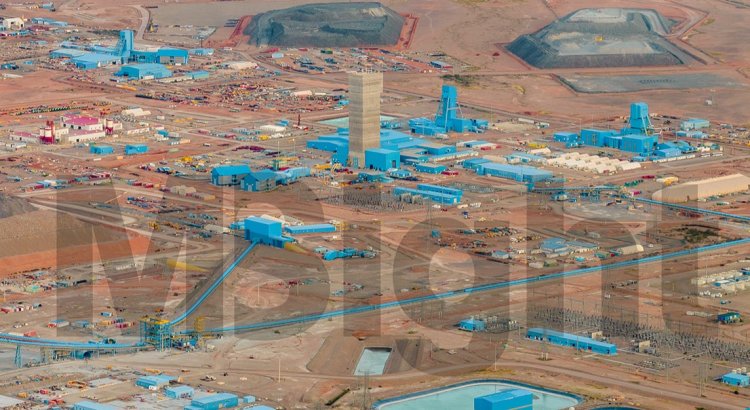
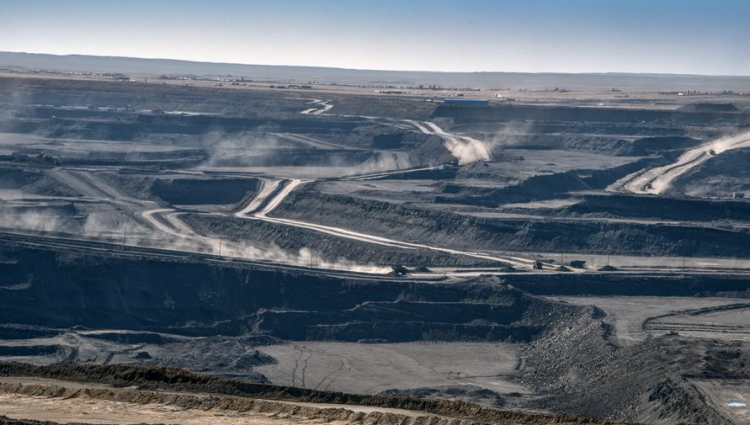
A reliable electricity supply is vital for mines and industrial facilities. In 2025, Mongolia consumed 12.6 billion kWh of electricity, of which the mining and heavy industry sector accounted for 31%, or 3.7 billion kWh. The two largest consumers were Oyu Tolgoi and Erdenet Mining Corporation, which together consumed 2.7 billion kWh. These figures clearly show that if Mongolia is to further develop its mining sector, open new mines, and build new concentrators and processing plants, future electricity demand must be taken into account from the outset. This is why major companies are beginning to develop and commission independent renewable energy systems to meet their own needs. MAK has already commissioned solar power plants with a total capacity of 40 MW to supply its construction materials plants and is building more than 60 MW of additional solar capacity for its copper processing plant and coal mine. Oyu Tolgoi is working to develop a 150 MW wind power project and conclude a power purchase agreement, while Erdenes Tavantolgoi is preparing to build a 50 MW solar power plant to supply its coal processing facility. In this way, major companies and mines in remote regions have already begun moving toward renewable energy for their own operations. In addition, over the past one or two years, mining companies have shown growing interest in introducing electric and battery-powered green equipment. Electric excavators were first introduced into Mongolia's mining sector more than 20 years ago, and they remain in use today at major copper and coal mines.
However, the risk of unreliable electricity supply has limited the wider deployment of electric equipment. In recent years, however, these technologies have developed rapidly worldwide. Integrated systems combining independent renewable power generation with electric and battery-powered haul trucks and transport vehicles are increasingly being deployed. Mongolia's mining sector has also begun conducting its first trials and studies. Rising diesel prices and supply disruptions are further encouraging mines to shift toward these new technologies and systems. Technologies that can reduce greenhouse gas emissions while also cutting fuel costs by nearly 50% and improving operational profitability are likely to be among the fastest to be adopted in Mongolia's mining sector. It is now largely a matter of time. In this issue, Mining Insight presents a comprehensive look at how Mongolian mining companies are responding to climate change, reducing greenhouse gas emissions through renewable energy and green technologies, and contributing to the implementation of the Billion Trees National Movement.